

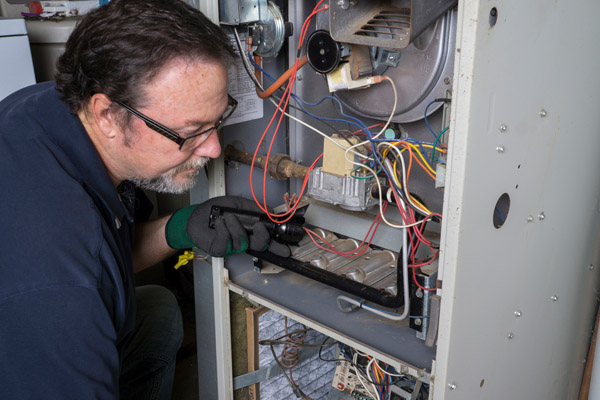
A heating system may be worth repairing when the problem is minor, the equipment is relatively new, and it still operates efficiently. Replacement may be the better option when the system is aging, requires frequent or costly repairs, struggles to heat the home consistently, or has become inefficient.
This article covers the key factors to consider when deciding between heating system repair vs replace, including system age, repair costs, efficiency, performance, and long-term value.
Selecting Between Heating System Repair vs Replace in NJ
Choosing between heating system repair and replacement depends on the equipment’s age, condition, efficiency, repair history, and overall performance. A repair may be practical for a newer system with an isolated problem, while replacement may offer better long-term value for aging equipment with recurring issues.
Several factors can help homeowners determine which option best supports reliable heating, energy efficiency, and long-term home comfort.
Warning Signs Your Heating System Needs Service

Changes in heating performance, operating costs, and reliability can indicate that your system needs professional attention. Recognizing these warning signs can help address developing problems and determine whether repair or replacement is appropriate.
- Uneven Heating: Rooms that remain colder than others may indicate airflow, distribution, or system performance problems.
- Unusual Noises: Banging, whining, grinding, or other unfamiliar sounds can point to worn or malfunctioning mechanical components.
- Rising Energy Bills: Higher heating costs without a significant change in usage may indicate declining efficiency caused by aging equipment, worn components, or outdated technology.
- Frequent Repairs: Multiple breakdowns or repeated service calls within a short period can indicate that the system is approaching the end of its useful life. As repair and operating costs increase, replacement may become more cost-effective than continuing to repair aging equipment.
When Heating System Repair Makes Sense in Central New Jersey
Heating system repair is often a practical choice when the equipment is under 10 to 12 years old and remains in good overall condition. Cost is another important factor. A general guideline is to consider repair when the expense is less than 50% of the cost of replacement. Smaller issues, such as thermostat problems, clogged filters, or electrical faults, can also make repair the more cost-effective option.
The expected service life of your furnace, boiler, or heat pump should also factor into the decision. Review the manufacturer’s warranty as well. If the needed repair is still covered, your out-of-pocket costs may be minimal or eliminated, making repair a more practical investment.
When Heating System Replacement Is the Better Option

Replacing a heating system may be more practical when older equipment becomes inefficient, unreliable, costly to repair, or can no longer provide consistent comfort. Homeowners in Central New Jersey should consider several important factors when deciding whether upgrading to a new heating system offers greater long-term value.
Heating System Age
The expected lifespan of a heating system varies based on equipment type, installation quality, maintenance history, and usage. As the equipment reaches or surpasses its typical service life, performance issues and breakdowns may occur more frequently. Age doesn’t automatically mean replacement is necessary, but it carries more weight when the system also shows declining efficiency or reliability.
Reduced Heating Efficiency
A heating system that uses more energy while producing the same or less warmth may be losing efficiency. Higher energy bills, extended heating cycles, and difficulty maintaining consistent indoor temperatures can signal declining performance. Replacing outdated equipment with a correctly sized, high-efficiency system may lower energy use and help reduce long-term operating costs.
Frequent or Costly Heating Repairs
Repeated breakdowns can make ongoing heating system repairs harder to justify financially. When a major repair represents a significant portion of replacement costs, consider the equipment’s remaining service life against the long-term value of installing a new system. Failures involving major components can make replacement particularly worth considering when the existing equipment is already aging.
Older Heating System Technology
Modern heating systems can provide higher efficiency ratings, variable-speed operation, advanced controls, and smart thermostat compatibility. These improvements allow more precise temperature control while supporting better overall system performance. Upgrading may be a practical option when an older heating system no longer provides the efficiency, control, or functionality needed to meet the home’s comfort requirements.
Heating System Safety Issues
Carbon monoxide concerns, electrical problems, combustion issues, and other heating system hazards require immediate professional attention. If a qualified technician determines that the equipment is unsafe to operate, discontinue use until the problem is resolved. Depending on the issue, its severity, equipment age, and parts availability, the technician may recommend professional repair or complete system replacement.
Benefits of Heating System Replacement in New Jersey
Replacing an aging or inefficient heating system can improve performance, comfort, and long-term operating costs. Key benefits include:
- Improved Energy Efficiency: Modern systems use advanced technology, such as variable-speed operation, to match heating output more closely to the home’s needs. This can reduce energy consumption and heating costs.
- Enhanced Comfort and Air Quality: New equipment can provide more consistent temperatures and better heat distribution. Compatible filtration and indoor air quality features can also help manage airborne pollutants and allergens.
- Fewer Repairs and Lower Operating Costs: New systems are less likely to require the recurring repairs associated with aging equipment. Greater efficiency can also help reduce monthly energy expenses.
- Reduced Environmental Impact: Using less energy to heat the home can reduce associated emissions and the overall environmental impact of heating.
- Long-Term Home Value: Although replacement requires an upfront investment, potential energy and repair savings can provide value over time. Modern, efficient heating equipment may also make a home more appealing to prospective buyers.
Heating System Repair vs Replace: FAQs
How Can I Improve My Heating System’s Efficiency Without Replacing It?
You can improve heating efficiency by regularly replacing or cleaning air filters, keeping vents and registers unobstructed, sealing ductwork leaks, and scheduling routine professional maintenance. Installing a programmable or smart thermostat can also provide better control over heating schedules and temperatures, helping reduce unnecessary energy consumption while improving overall system performance.
Is It Possible to Replace Individual Heating Components Instead of the Entire System?
Yes. In some situations, upgrading components such as the thermostat, blower motor, or ductwork can improve heating performance and efficiency without requiring complete system replacement. However, if major components, such as the furnace or heat exchanger, are deteriorating or failing, replacing the entire heating system may be the more practical solution.
What Is the Best Time of Year to Replace a Heating System?
Heating system replacement can be scheduled at any time, but planning the upgrade before the heating season may provide greater scheduling flexibility and help prevent disruptions during cold weather. Replacing aging equipment proactively also gives homeowners more time to compare system options rather than making a rushed decision after an unexpected breakdown.
Are Financing Options Available for a New Home Heating System?
Yes, many HVAC companies provide financing options to help make a new heating system more affordable. Financing lets you divide the total cost into manageable payments over time, allowing you to install a more efficient heating system without having to cover the entire expense upfront.
How Much Time Is Usually Needed to Install a New Furnace or Boiler?
Installing a new furnace or boiler typically takes one to two days, depending on the system type, installation complexity, and condition of the existing ductwork or piping. During the initial consultation, a professional HVAC technician can evaluate your home and provide a more accurate installation timeline based on your specific project requirements.
Conclusion
Deciding whether to repair or replace a heating system depends on its age, overall condition, efficiency, reliability, safety, and repair expenses. Repair may make sense for minor issues affecting newer, well-maintained equipment. In contrast, recurring breakdowns, reduced performance, costly repairs, or advanced system age may indicate that replacement offers better long-term value.
Contact Skylands Energy Service for a professional heating system evaluation in Central New Jersey. Our experienced HVAC technicians can assess your equipment and recommend a suitable repair or replacement option based on your home’s heating requirements, system condition, and budget.
Contact Skylands Energy Service for Complete HVAC Services
Skylands Energy Service provides dependable heating and cooling services throughout Central New Jersey. Our certified HVAC technicians have the training and experience to perform professional system tune-ups, repairs, installations, replacements, and other essential services. We work carefully to keep your heating and cooling equipment operating reliably and efficiently.
We offer competitive HVAC service pricing while helping homeowners improve indoor comfort, increase energy efficiency, and manage heating and cooling expenses. Whether your system requires a repair or has reached the point where replacement makes more sense, our team can recommend a practical solution suited to your home, comfort needs, and budget.
Skylands Energy Service stands behind our workmanship with a satisfaction guarantee. Contact us today to schedule an HVAC service appointment or request an in-home consultation in Central New Jersey. Call now!
Contact us now at (908) 707-1776 to find out more! To view our service area, click here.

Related Articles: