

Rooms may heat unevenly due to restricted airflow, leaky ductwork, inadequate insulation, thermostat issues, or an improperly sized HVAC system. These problems can prevent heated air from reaching each area of the home consistently, leaving some rooms warm while others remain noticeably colder.
This article covers the common causes of uneven heating in house and the practical solutions that can improve heat distribution, HVAC efficiency, and overall indoor comfort.
What Causes Uneven Temperatures Throughout Your Home?
Several factors can cause temperature differences between rooms. Since every home has a unique layout, heating system, and insulation, the source of uneven heating can vary. Understanding the most common causes can help you find out what may be affecting your indoor comfort.
Frequent Causes of Uneven Home Heating in New Jersey
Finding the source of uneven heating is the first step toward improving comfort and energy efficiency. Several common problems can interfere with proper heat distribution throughout your home.
Restricted or Leaking Ductwork
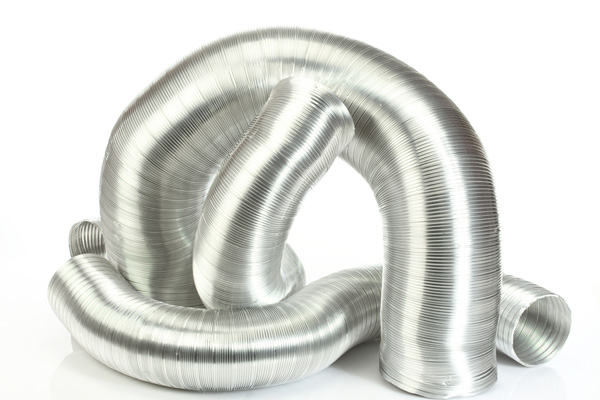
Blocked, leaking, or damaged ducts can restrict airflow and prevent heat from reaching rooms evenly. Common warning signs include excessive dust, unusual vent noises, or rooms that stay cold while the heat is running. Routine duct inspections and cleaning can help detect and address these problems.
Insufficient Home Insulation
Inadequate insulation lets heat escape more easily, leaving some rooms colder than others. Uneven indoor temperatures and rising energy bills may indicate insulation problems. Checking the condition and thickness of insulation in attics and walls can help determine whether upgrades are needed to improve heat retention and comfort.
Incorrect HVAC System Sizing
An HVAC system that is incorrectly sized for your home can contribute to uneven heating. Oversized equipment may cycle too quickly to distribute warm air effectively, while an undersized system may struggle to maintain comfortable temperatures during colder weather. A professional HVAC assessment can determine whether your system is properly sized for efficient, consistent heating.
Thermostat Placement or Performance Problems
Poor thermostat placement or a malfunctioning unit can cause uneven heating. A thermostat located near windows, doors, or heat sources may register inaccurate temperatures and affect HVAC operation. Checking its location and performance, then recalibrating or replacing it when necessary, can improve temperature control throughout your home.
Identifying and Correcting Uneven Heating in Central New Jersey Homes

Proper diagnosis is essential for resolving uneven heating effectively. HVAC professionals can identify the underlying cause and recommend solutions that improve temperature consistency throughout your home.
Comprehensive HVAC System Evaluation
A professional HVAC inspection can accurately identify problems affecting heat distribution. A technician typically examines the furnace or boiler, checks ductwork for leaks or obstructions, and evaluates overall system performance. This assessment pinpoints the source of uneven heating and helps determine the appropriate solution.
Diagnostic Technology for Balanced Home Heating
Advanced diagnostic tools help HVAC technicians identify the causes of uneven heating quickly and accurately. Common technologies used to evaluate heating performance include:
- Thermal Imaging Cameras: Reveal temperature differences across walls, ceilings, and floors to locate heat loss and cold spots.
- Infrared Thermometers: Measure surface temperatures to identify unusually warm or cold areas.
- HVAC Analysis Software: Uses system data to evaluate heating performance and energy efficiency.
- Blower Door Tests: Measure a home’s airtightness and help locate areas where conditioned air may escape.
- Airflow Meters: Measure the volume and velocity of air moving through vents.
These tools help technicians pinpoint heating problems and determine appropriate solutions with less guesswork. Accurate diagnostics support more effective repairs and system adjustments, helping maintain even temperatures, efficient HVAC operation, and consistent indoor comfort.
Solutions for Uneven Home Heating
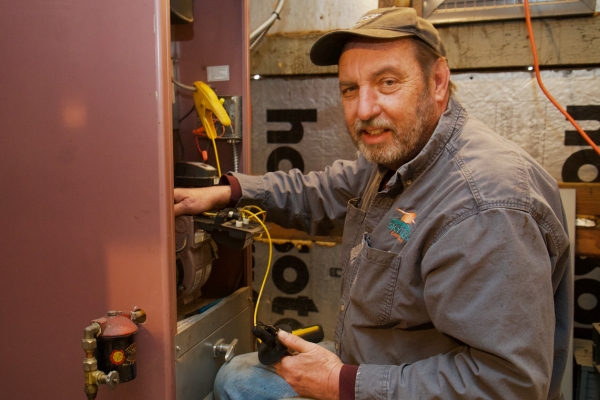
Addressing the source of uneven heating can improve indoor comfort, airflow, and overall HVAC efficiency. Common solutions include:
- Repair or Replace Damaged Ductwork: Seal leaks and repair damaged sections to restore airflow and improve heat distribution. Severely deteriorated or outdated ducts may need replacement. Proper sealing and insulation also reduce heat loss as warm air travels through the system.
- Improve Home Insulation: Check insulation in attics, walls, basements, and other areas where heat loss commonly occurs. Adding or upgrading insulation with materials such as fiberglass, cellulose, or spray foam can help maintain more consistent temperatures throughout the home.
- Adjust or Replace the HVAC System: Professional adjustments or repairs may improve airflow and heating performance. An older, frequently repaired, or improperly sized system may require replacement to provide more reliable and even heating.
- Upgrade the Thermostat: A smart thermostat can provide more precise temperature control and automated scheduling. When paired with compatible zoning or remote sensors, it can also help address temperature differences between rooms or areas of the home.
How to Prevent Uneven Heating at Home
Routine HVAC maintenance can help prevent problems that contribute to uneven heating. Professional service typically includes cleaning and inspecting key components, checking system controls, and verifying proper thermostat operation.
Seasonal preparation also helps keep your heating system performing efficiently throughout winter. Homeowners can replace filters and keep vents clear, while HVAC professionals should handle system calibration, duct inspections, and other technical tasks. Preventive care supports consistent heating, improves efficiency, and helps extend equipment lifespan.
Uneven Heating In House: Frequently Asked Questions
Can Adjusting Vents Help Even Out Room Temperatures?
Adjusting vents may help redirect airflow and improve temperature balance between rooms. However, closing too many vents can increase pressure within the HVAC system, reduce efficiency, and potentially strain components. An HVAC professional can evaluate airflow and recommend appropriate adjustments for more consistent heating without compromising system performance.
Can Furniture Placement Cause Uneven Heating?
Furniture placement can affect airflow and heat distribution throughout a room. Large items such as sofas, beds, and bookcases may block vents, restrict warm air, and create cold spots. Keeping vents unobstructed and rearranging furniture when necessary can improve air circulation and promote more consistent heating.
Is It Normal for Upper Floors to Feel Warmer Than Lower Floors?
Yes. Upper floors commonly feel warmer because rising warm air can create temperature differences between levels. Properly adjusted duct dampers can help direct more heat toward lower floors during winter. Running ceiling fans at low speed in the appropriate winter direction can also circulate warm air and promote more consistent temperatures throughout the home.
How Does Window Quality Affect Heating Efficiency?
Windows can significantly affect heat loss and indoor comfort. Older single-pane windows, worn seals, and gaps around frames may cause drafts and cold spots. Energy-efficient windows, weatherstripping, and properly sealed frames can minimize heat loss and help maintain more consistent room temperatures.
Should Interior Doors Stay Open or Closed for Better Heating?
Keeping interior doors open often helps warm air circulate and return properly to the HVAC system. Closed doors may restrict airflow, especially in rooms without dedicated return vents. If doors are frequently kept closed, an HVAC technician can assess whether adequate return-air pathways are available for balanced heating.
Conclusion
Uneven heating can result from restricted ductwork, insufficient insulation, thermostat problems, or an improperly sized HVAC system. Routine maintenance and professional repairs can improve heat distribution, efficiency, and overall comfort. Skylands Energy Service provides expert HVAC diagnostics and solutions for homeowners throughout Central New Jersey.
Contact Skylands Energy Service today to schedule a professional heating system evaluation and restore consistent, dependable comfort throughout your home.
Contact Skylands Energy Service for Complete HVAC Services in Central New Jersey
Skylands Energy Service provides dependable heating and cooling services throughout Central New Jersey. Our certified HVAC technicians perform professional tune-ups, repairs, installations, system replacements, and other essential services. Each technician brings the training and experience needed to service your HVAC equipment properly.
Skylands Energy Service offers competitive heating and cooling service rates while helping homeowners improve comfort and energy efficiency. Regular maintenance can lower heating and cooling costs, while our repair and replacement services provide practical solutions based on your home comfort needs and budget.
We stand behind our workmanship with a satisfaction guarantee. Contact Skylands Energy Service today to schedule an HVAC service appointment or request an in-home consultation. Call now!
Contact us now at (908) 707-1776 to find out more! To view our service area, click here.

Related Articles: