Over the last 10 years, HVAC technology has advanced significantly, with smart controls, variable-speed equipment, improved heat pumps, better indoor air quality solutions, and higher-efficiency systems changing how buildings are heated and cooled. These innovations give property owners greater control over comfort while helping reduce energy consumption and operating costs.
This article examines recent innovations in HVAC technology and shows how modern heating and cooling advancements can improve system performance, lower operating costs, and promote healthier indoor environments.
Understanding Modern HVAC Systems in Central New Jersey
HVAC technology encompasses the interconnected equipment and components responsible for heating, cooling, ventilation, and maintaining healthy indoor air conditions in homes and buildings. These systems operate together to manage temperature, regulate humidity, capture airborne pollutants, and maintain proper airflow throughout the property.
Today’s HVAC systems integrate mechanical engineering, energy-efficient technology, and advanced controls to provide consistent indoor comfort while reducing unnecessary energy consumption.
Understanding how modern HVAC technologies operate helps Central New Jersey property owners make informed choices about system maintenance, equipment upgrades, and replacements that promote dependable performance and long-term reliability.
Major Advancements in HVAC Technology
HVAC technology has advanced considerably, with newer developments improving energy efficiency, temperature control, environmental performance, and overall equipment operation across heating and cooling applications.
1. Improved Heating and Cooling System Efficiency
Today’s HVAC equipment operates much more efficiently than older systems because of enhanced engineering, better heat-transfer technology, and increasingly precise system controls.
Modern furnaces, boilers, heat pumps, and air conditioners provide dependable heating and cooling while requiring less electricity or fuel to maintain indoor comfort. These efficiency gains can lower monthly energy costs, reduce operating noise, and decrease the overall environmental impact of heating and cooling.
2. More Sustainable HVAC System Design
The HVAC industry increasingly uses technologies that limit environmental impact while preserving reliable heating and cooling performance. Advances in refrigerants, combustion efficiency, and equipment engineering reflect changing regulatory requirements and broader sustainability objectives.
Modern HVAC equipment is engineered for cleaner operation, more efficient energy use, and reduced environmental impact over its service life while maintaining dependable comfort and system reliability.
3. Smarter Controls and Connected HVAC Management
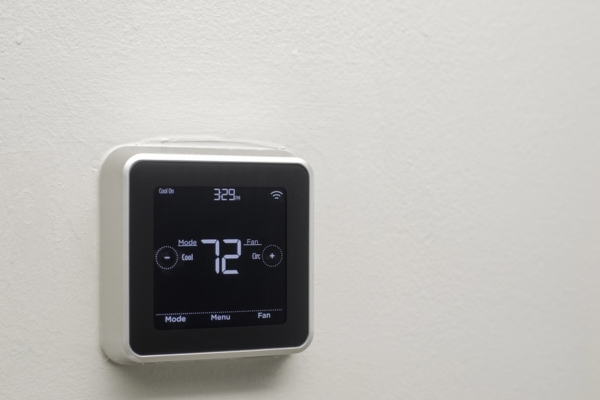
Smart technology has changed how property owners operate and monitor their heating and cooling equipment. Wi-Fi-connected thermostats and advanced HVAC controls let users manage temperatures remotely, create schedules around occupancy, and track household energy consumption in real time.
Many modern systems also deliver maintenance notifications and performance alerts that can identify potential issues before breakdowns occur. These connected capabilities increase convenience, limit unnecessary energy use, and help maintain consistent indoor comfort as seasonal conditions change.
4. Growth of Heat Pump and Ductless Systems
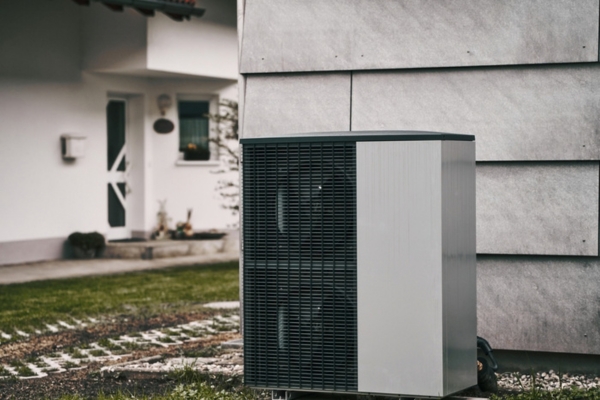
Heat pump technology has improved significantly, making these systems increasingly practical for year-round heating and cooling. Modern cold-climate heat pumps can provide efficient indoor warmth during low outdoor temperatures while delivering energy-efficient air conditioning throughout warmer weather.
Ductless mini-split systems add further versatility by providing zoned comfort for individual rooms, home additions, or properties without existing ductwork. These systems offer quiet performance, efficient operation, and reliable year-round temperature management across many residential and commercial applications.
5. Advanced HVAC Zoning and Airflow Control
Modern zoning systems enable separate areas of a home or building to maintain individual temperature settings through multiple thermostats and automated airflow controls. This flexibility improves comfort in spaces influenced by sunlight, varying occupancy, or multi-story layouts while limiting unnecessary energy consumption in unused areas.
Improved air distribution also allows heating and cooling equipment to operate more efficiently, reducing system workload and helping extend overall equipment service life.
6. Increased Emphasis on Ventilation and Indoor Air Quality
Indoor air quality has become an increasingly important aspect of modern HVAC system performance. Today’s systems incorporate managed ventilation, humidity control, and enhanced air filtration to create cleaner, healthier indoor environments.
Solutions such as energy-recovery ventilation and automated air quality monitoring introduce fresh outdoor air while limiting unnecessary energy loss, helping maintain indoor comfort, healthier air, and balanced humidity levels throughout the year.
7. Variable-Speed HVAC Technology and Adaptive Performance
Many modern HVAC systems feature variable-speed motors and inverter-driven compressors that automatically adjust heating and cooling output based on demand rather than repeatedly operating at full capacity.
This responsive operation delivers quieter performance, more consistent indoor temperatures, better humidity management, lower energy consumption, and less mechanical wear. Variable-capacity technology has become one of the most significant HVAC advancements for improving overall comfort, system efficiency, and long-term performance.
FAQs About Modern HVAC Technology

What Are the Most Significant Recent Improvements in HVAC Technology?
Recent HVAC innovations emphasize greater energy efficiency, variable-capacity operation, intelligent controls, improved cold-weather heat pump performance, and more advanced indoor air quality management. These technologies help today’s HVAC systems maintain steadier comfort, consume less energy, and reduce environmental impact compared with older heating and cooling equipment.
How Does Today’s HVAC Technology Provide Better Comfort Throughout the Year in Central New Jersey?
Advanced HVAC systems control temperature, humidity, and airflow more precisely
through responsive controls and variable-capacity components. Heating and cooling output automatically adapts to current indoor conditions rather than repeatedly operating at maximum capacity, resulting in more stable temperatures, quieter performance, and improved comfort across every season.
Can Modern High-Efficiency HVAC Equipment Work in Older Central NJ Homes?
Yes. Many current HVAC options, including ductless mini-splits, compact heat pumps, and advanced zoning systems, can improve comfort in older homes and buildings without extensive structural modifications. These technologies allow property owners to increase efficiency and system performance even when existing ductwork or conventional HVAC configurations present limitations.
How Can Modern HVAC Innovations Improve Energy Efficiency and Sustainability?
Today’s HVAC equipment is designed to consume less energy, operate more cleanly, and meet changing environmental standards. Advances in equipment efficiency, refrigerant technology, and intelligent system controls help reduce emissions and long-term environmental impact while continuing to provide dependable indoor comfort.
What Makes Modern HVAC Technology a Valuable Long-Term Upgrade?
Modern HVAC upgrades can provide lasting benefits through reduced energy costs, fewer significant repairs, greater indoor comfort, and more dependable system operation. Over time, these improvements can help recover the initial installation expense, increase property value, and provide reliable heating and cooling performance for years.
Conclusion
Recent HVAC innovations have significantly improved energy efficiency, equipment reliability, indoor comfort, and operating cost management across modern heating and cooling systems. Homeowners with equipment over ten years old or requiring frequent repairs may benefit from upgrading to newer, high-efficiency technology that provides dependable performance, reduces energy consumption, and minimizes ongoing maintenance needs.
Contact Skylands Energy Service for Complete HVAC Solutions
Skylands Energy Service provides reliable heating and cooling services throughout Central New Jersey, backed by certified, experienced HVAC technicians. From seasonal maintenance and precise system diagnostics to professional installations and complete equipment replacements, our team services a wide range of HVAC systems with careful attention to performance and reliability.
We provide competitive pricing while helping homeowners maintain comfort, improve energy efficiency, and control long-term heating and cooling costs. When equipment requires repair or replacement, our specialists provide straightforward guidance and practical, cost-effective recommendations suited to your home and budget. Every service comes with our satisfaction guarantee for added confidence.
Call Skylands Energy Service today to schedule your HVAC service appointment or arrange a convenient in-home estimate. Call now!
Contact us now at (908) 707-1776 to find out more! To view our service area, click here.
Related Articles: