
HVAC installation cost can differ significantly between homes based on equipment needs, project complexity, and the specific characteristics of the property. Installing new heating and cooling equipment represents a substantial household investment. So, understanding what drives the total cost helps homeowners budget effectively and choose a system with confidence.
This article examines the primary factors affecting HVAC installation costs and how to consider long-term value beyond the upfront price.
What Determines HVAC Installation Costs in Central New Jersey?
Several factors influence the total price of a new HVAC system, making each installation unique to the home and its requirements. Understanding these cost considerations provides clearer insight into contractor estimates and helps homeowners prepare for a practical investment.
Typical HVAC Installation Cost Considerations in Central New Jersey
HVAC installation pricing depends on equipment type, home size, efficiency level, and overall project complexity. The total installed cost generally covers the equipment, standard installation labor, old system removal and disposal, necessary materials, and final startup and system calibration.
Replacing one component, such as a furnace or air conditioner, typically involves a lower investment than installing an entirely new heating and cooling system. Heat pump installations can require a larger upfront investment depending on equipment capacity, design, and configuration.
Standard estimates generally assume replacement without extensive duct modifications, electrical improvements, or structural alterations. Required infrastructure upgrades, higher-efficiency equipment, zoning controls, or indoor air quality enhancements can increase the overall installation price.
Primary Factors Affecting HVAC Installation Costs in Central New Jersey

Several equipment, installation, and property-related considerations influence overall HVAC pricing, starting with the heating and cooling system chosen.
HVAC System Design and Equipment Configuration
The selected system configuration directly affects equipment expenses and installation requirements. Common options include heat pumps, split systems, packaged equipment, ductless mini-splits, and dual-fuel systems. Each involves specific components, installation methods, and compatibility requirements for the home’s existing infrastructure.
For instance, a heat pump generally requires a larger initial investment than a conventional air conditioner combined with a furnace. However, it may lower long-term energy costs in suitable climates by providing efficient heating and cooling through one integrated system.
Property Size and HVAC Load Requirements
A home’s dimensions and total heating and cooling demand directly influence HVAC installation pricing. Proper equipment sizing requires a Manual J load calculation that considers square footage, insulation levels, window characteristics, ceiling height, air leakage, and local climate conditions.
Oversized equipment may short-cycle and wear out prematurely, while undersized units can run excessively and waste energy. Larger properties typically need greater system capacity and more extensive ductwork, resulting in higher equipment, material, and installation labor costs.
HVAC Efficiency Ratings and Performance
Energy efficiency levels directly influence initial HVAC pricing and long-term energy expenses. Higher-efficiency equipment generally requires a larger upfront investment but can lower monthly heating and cooling costs throughout its service life.
Key measures include SEER2 ratings for air conditioners, AFUE ratings for furnaces, and ENERGY STAR® certification for equipment that meets established efficiency requirements. Eligible high-efficiency upgrades may also qualify for federal tax incentives or local utility rebates, helping reduce initial costs while supporting improved system performance.
HVAC Ductwork Upgrades or Replacement
Existing ductwork conditions can substantially influence overall HVAC installation pricing. When ducts are leaking, incorrectly sized, inadequately sealed, or poorly configured, repairs or partial replacement may be required to maintain balanced airflow and efficient system operation.
Duct modifications can add considerably to project expenses depending on the home’s layout, accessibility, and scope of necessary work. Properties without existing ducts, including homes transitioning from baseboard heat or window air conditioners, typically require a larger investment because an entirely new duct system must be installed.
Electrical and Structural Improvements
Electrical or structural modifications may raise total installation costs when the home’s existing infrastructure cannot properly support new HVAC equipment. Certain installations require panel upgrades, replacement refrigerant line sets, new equipment pads, condensate drainage modifications, or improvements necessary to satisfy current building codes. These upgrades add material and labor costs while supporting safe performance, regulatory compliance, and dependable long-term system operation.
HVAC Labor Requirements and Installation Difficulty
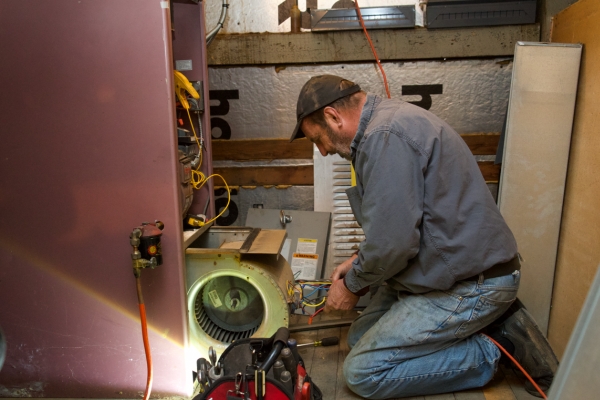
Professional labor represents a significant share of HVAC installation expenses, with pricing largely determined by job complexity. Equipment accessibility is especially important in confined attics, crawlspaces, or finished basements where technicians have limited room to work. Existing equipment removal and disposal, necessary system alterations, and local labor rates can further influence the final cost.
Proper installation directly affects HVAC efficiency, equipment longevity, and warranty coverage. Precise refrigerant charging, balanced airflow, and correctly completed electrical connections help equipment operate according to manufacturer specifications. Poor workmanship can decrease efficiency, accelerate system wear, and potentially compromise manufacturer warranty protection.
Additional HVAC Upgrades That Influence Replacement Costs
Many homeowners choose to add comfort and performance features when installing a new HVAC system, increasing the overall project investment. Popular upgrades include:
- Smart thermostats that provide scheduling and remote temperature management
- HVAC zoning systems for separate temperature control across different areas
- Whole-house humidifiers that help regulate indoor humidity throughout the heating season
- Enhanced air filtration equipment designed to support cleaner indoor air
- UV air purification technology that helps control biological contaminants inside HVAC equipment
Although these features are optional, they can enhance indoor comfort, improve energy efficiency, and support healthier air quality while contributing to stronger long-term HVAC performance.
Comparing Long-Term HVAC Value With Upfront Price
Lower-priced installations commonly use basic equipment with modest efficiency gains and fewer performance features, potentially resulting in greater energy and operating costs over the system’s lifespan.
Higher-end systems typically offer reduced utility expenses through improved efficiency, quieter performance using variable-speed technology, better humidity management, longer service life, and more comprehensive warranty protection.
Considering total lifecycle expenses, including energy use, maintenance needs, and equipment durability, provides a more accurate financial picture than evaluating the upfront installation price alone.
Frequently Asked Questions About HVAC Installation Cost

Why Can HVAC Installation Quotes Differ Significantly?
HVAC estimates differ based on equipment capacity, efficiency level, existing ductwork, and overall installation requirements. Projects involving duct alterations, electrical improvements, or new refrigerant lines typically require additional materials and labor compared with standard replacements. Local labor costs, permitting requirements, and building codes also influence pricing. High-efficiency equipment featuring variable-speed or multi-stage operation may cost more initially while helping reduce long-term energy expenses.
Is Replacing the AC and Furnace Together More Cost-Effective?
Replacing the air conditioner and furnace simultaneously is often more economical than completing separate installations. A combined replacement minimizes repeated labor for tasks such as removing equipment and making electrical adjustments. Properly matched systems can improve efficiency, airflow, and humidity management while streamlining warranty coverage. Pairing new equipment with an older component may compromise performance and potentially reduce overall system longevity.
How Much Time Does an HVAC Installation Require?
A typical HVAC replacement usually takes one to two days when existing ductwork and electrical infrastructure are suitable. Installations involving duct modifications, zoning systems, structural changes, or electrical panel upgrades may take longer. Equipment availability, inspections, and access to the installation area can also affect scheduling. A thorough pre-installation assessment helps determine a more reliable project timeline.
Are HVAC Financing Programs or Rebates Available in Central New Jersey?
Many HVAC contractors provide financing options that divide installation expenses into manageable monthly payments. Qualifying high-efficiency equipment may also be eligible for manufacturer rebates, local utility incentives, or federal tax credits based on applicable efficiency requirements. Eligibility often depends on proper installation and supporting documentation. Researching available incentives before choosing equipment can help lower the overall project investment.
When Does HVAC Replacement Make More Sense Than Repair?
A complete HVAC upgrade may be appropriate when equipment is 12 to 20 years old, needs repeated repairs, relies on outdated refrigerant, or has experienced noticeable efficiency losses. Increasing utility costs, inconsistent temperatures, abnormal noises, and recurring component problems can indicate declining reliability. Comparing ongoing repair expenses with the efficiency improvements, reliability, and warranty coverage of new equipment can help identify the more cost-effective long-term choice.
Conclusion
HVAC installation pricing depends on equipment type, efficiency level, existing ductwork, and project complexity. Choosing properly sized equipment and ensuring professional installation can improve energy efficiency, system reliability, and long-term performance while helping homeowners receive greater value from their investment.
If you are considering an HVAC replacement in Central New Jersey, contact Skylands Energy Service for a professional assessment. Our experienced technicians can evaluate your home, recommend the right system size, and explain installation options that match your comfort needs and budget.
Contact Skylands Energy Service for Expert HVAC Installation in Central New Jersey
For professional HVAC installation and service throughout Central New Jersey, rely on Skylands Energy Service. Our certified technicians install and service heating and cooling systems, replace boilers, perform AC tune-ups, upgrade furnaces, install ductless equipment, and provide additional HVAC solutions. We work with all major makes and models while maintaining careful attention to system performance and installation quality.
Skylands Energy Service focuses on competitive pricing and lasting value. Our HVAC installation and maintenance solutions help improve household comfort, support healthier indoor air quality, and increase energy efficiency. When deciding between repairing aging equipment and investing in a replacement, our team provides practical recommendations based on your home’s needs and budget.
Every project is supported by our service guarantee for dependable performance and customer satisfaction. Contact Skylands Energy Service today to schedule an in-home HVAC installation estimate.
Contact us now at (908) 707-1776 to find out more! To view our service area, click here.

Related Articles: