
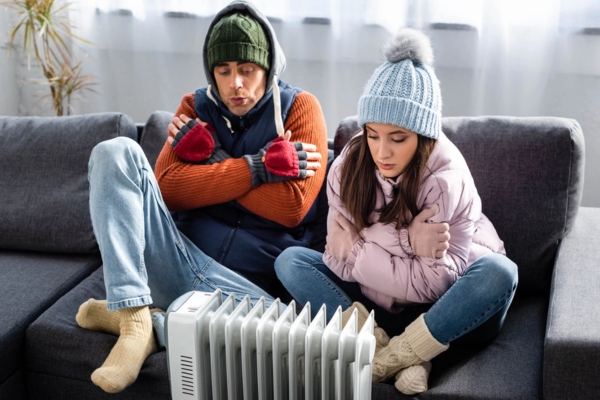
The furnace turns on but no heat flows into your home, leaving the cold lingering. This often points to an underlying problem within the heating system.
Skylands Energy Service, an HVAC company in Central New Jersey, delivers professional furnace services to identify and correct such issues efficiently. When a furnace operates without producing warmth, the cause may involve faulty components, airflow problems, or electrical malfunctions.
This article outlines the most common HVAC-related reasons behind this heating problem, the signs to monitor, and when it is time to call a qualified HVAC technician for a thorough inspection and repair.
Fast and Reliable Furnace Repairs: Skylands Energy Service specializes in no-heat troubleshooting and solutions. Reach out now!
Furnace Turns On But No Heat? Uncover the Common Causes & What to Do Next

Before troubleshooting, it’s essential to understand how different furnace components work together to produce heat. Identifying where the process fails can help determine whether a simple adjustment or professional repair is needed.
Restore Home Comfort Today: Trust Skylands Energy Service for professional HVAC service when your furnace is acting up. Call now!
Incorrect Thermostat Settings or Thermostat Failure
A thermostat not working is a common cause when a furnace turns on but no heat is produced, as it can send the wrong signals to the system. If set to “cool” or “fan only,” or if malfunctioning, the thermostat may cause the blower to run without initiating the heating cycle.
Signs include an unresponsive screen, inaccurate temperature readings, or no signal reaching the furnace. As part of HVAC troubleshooting thermostat issues, ensure it is set to “heat” with the temperature above the current room level, replace batteries, inspect wiring, or contact a professional for a no-heat HVAC diagnosis and repair.
Dirty or Clogged HVAC Air Filter
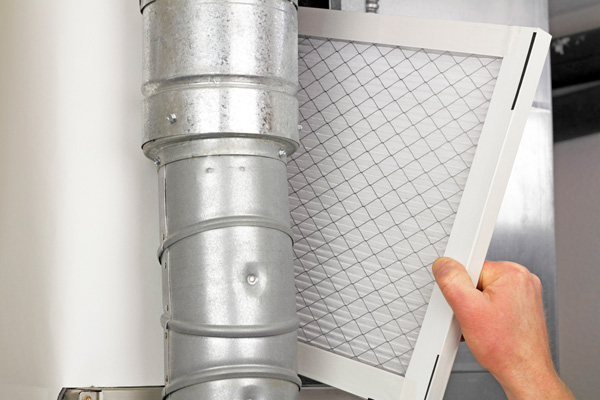
Another frequent reason a furnace may run without producing heat is an HVAC air filter problem. A clogged filter restricts airflow, causing the system to overheat and shut off the burners while the fan continues to operate. Signs of a furnace no heat, dirty filter issue include weak airflow from vents, visible dust around the filter slot, and frequent cycling.
To restore performance, replace the HVAC filter regularly and monitor airflow. Upgrading to a high-efficiency filter or setting a monthly reminder for inspection can help prevent recurring problems and maintain consistent heating.
No Heat? No Problem: Our team delivers dependable furnace repair service when you need it most. Contact us now!
Ignition System or Pilot Light Failure
A furnace not igniting often points to problems with the ignition system or pilot light, which are essential for producing heat. If these components fail, the burners will not remain lit, leaving the system running without warming the air.
Common pilot light issues include a flame that won’t stay lit, repeated clicking sounds with no ignition, or burners that ignite briefly before shutting down.
When you notice furnace clicks no heat symptoms, try relighting the pilot if your model allows. For persistent problems, schedule professional service to inspect the ignitor, flame sensor, and related components.
Furnace Flame Sensor Issues
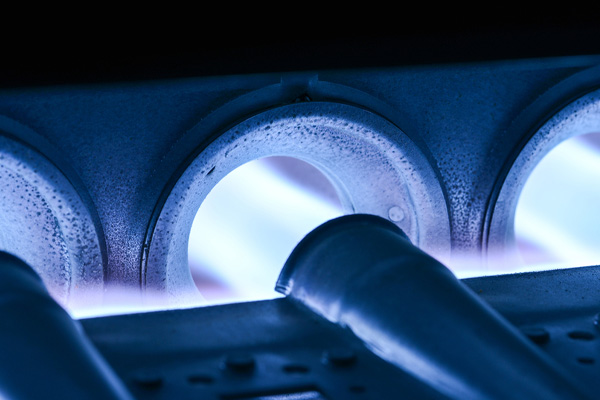
A faulty flame sensor can cause the burners to shut off shortly after ignition, preventing sustained heating. This safety device detects whether the burners are operating correctly, and if they are dirty or damaged, it may interrupt the heating cycle.
Signs include burners that light for a few seconds before shutting down, cold air blowing from vents after a brief heating attempt, and blinking error codes on the control board.
Furnace flame sensor cleaning by a professional can often restore proper function, but replacement may be necessary. Annual maintenance helps prevent situations where the burners won’t stay lit.
Your Local Heating Experts: Skylands Energy Service offers reliable solutions for all types of furnace issues. Call today!
Heating Blower Runs, Burners Do Not
An HVAC blower-only situation occurs when the blower motor operates without the burners engaging, resulting in unheated air circulating through the home. This can happen if the thermostat fan setting is on “on” instead of “auto” or if a malfunction prevents the burners from firing during the heating cycle.
When a furnace runs cold air, the problem includes constant airflow without warmth and no burner activity. If adjusting the fan mode to “auto” does not resolve the issue, reach out to a professional to inspect the burners and safety controls for a blower works no heat diagnosis.
Tripped Furnace Safety Limit Switch or Overheating
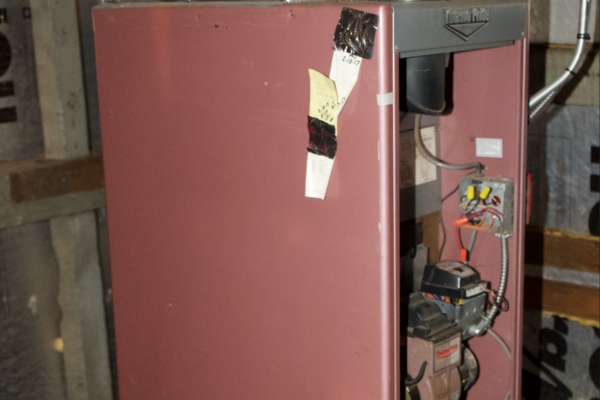
A furnace overheating problem can trigger the limit switch, a safety device that shuts off the burners to prevent damage or fire hazards. This can occur from restricted airflow, often due to a clogged filter, or from internal mechanical faults.
Signs of a limit switch tripped include burners shutting down mid-cycle, the furnace continuing to blow air without heat, and flashing diagnostic codes on the control panel. Restoring airflow by replacing the filter can help, but a full HVAC safety shutoff inspection by a technician is recommended to check internal components and ensure safe operation.
Don’t Wait in the Cold: Let Skylands Energy Service quickly identify and fix your heating problem. Reach out now!
Heating System Control Board or Electrical Failure

A furnace control board issue can disrupt the sequence that manages ignition, fan timing, and burner operation, resulting in incomplete heating cycles. In some cases, an HVAC electrical failure prevents the system from sending or receiving the correct signals to start heating.
Common signs include the furnace starting but not heating, diagnostic lights that blink or remain unresponsive, and unusual humming or clicking noises. If these occur, try shutting the system’s power off and back on to reset it. For persistent problems, call a licensed technician to test the control board and related components for a furnace not heating condition.
Comfort Starts Here: Depend on Skylands Energy Service for efficient and accurate furnace diagnostics. Contact us today!
When to Call an HVAC Technician in Central New Jersey

If basic troubleshooting does not resolve the problem, it’s time to call an HVAC technician for a thorough inspection. Signs you need no heat expert help include a lack of heat after replacing the filter and checking thermostat settings, repeated furnace cycling without warming the home, or persistent burner and ignition issues.
During a service visit, the technician will conduct diagnostic testing to pinpoint the cause, provide safe and accurate furnace repair service, and offer professional recommendations to enhance long-term system reliability and efficiency.
Trusted HVAC Repairs in Central New Jersey: We fix furnaces that run without heating. Call now!
Furnace Turns On But No Heat: FAQs

Why Is My Furnace Blowing Cold Air When It’s Running?
When a furnace blows cold air, it usually means the blower motor is running, but the burners are not producing heat. This can happen if the flame sensor is dirty and fails to detect a flame, causing the system to shut off the burners for safety. Ignition system problems, such as a faulty ignitor or gas supply issues, can also prevent proper heating.
In some cases, incorrect thermostat settings, like being set to “cool” or “fan only,” will cause the fan to circulate air without heat. Identifying the cause quickly prevents unnecessary wear and helps restore comfort.
How Often Should I Replace My Furnace Filter?
It is best to replace furnace filters every one to three months. However, the exact interval will vary based on the type of filter in use, household dust levels, presence of pets, and how often the system runs. High-efficiency filters may last longer but still require regular inspection.
A dirty or clogged filter can restrict airflow, forcing the furnace to work harder, reducing heating efficiency, and potentially causing overheating that trips the safety limit switch. Keeping up with filter changes is a simple yet critical step in HVAC troubleshooting.
Can I Fix Ignition Problems on My Own?
No. Furnace ignition systems involve gas lines, high-voltage electricity, and sensitive sensors. Attempting DIY repairs can result in gas leaks, electrical hazards, or further system damage. Problems such as a malfunctioning ignitor, blocked pilot assembly, or faulty flame sensor require specialized tools and safety procedures. A licensed HVAC technician can perform safe, precise diagnostics and carry out the proper furnace repair service to restore heating.
Furnace Not Heating? We Can Help: Our licensed HVAC pros will get your system back on track. Contact us today!
Is It Normal for the Furnace Fan to Run Without Heat?
Yes, under certain conditions. If the thermostat fan setting is switched to “on,” the blower will operate continuously, regardless of whether the burners produce heat. This can help with air circulation, but in the heating season, it is usually best to set the fan to “auto” so it runs only during active heating cycles.
If the fan runs non-stop while set to “auto,” it could indicate a control board issue, a stuck relay, or the furnace overheating, and the safety switch keeps the blower on to cool the system.
What Is the Most Common Cause of a Furnace Running Without Heat?
The most frequent causes include thermostat errors, clogged air filters, and ignition failures. An incorrectly set thermostat may prevent the heating cycle from starting, while a blocked filter can lead to overheating that shuts off the burners.
Ignition problems, such as a failed ignitor or dirty flame sensor, can stop the burners from producing heat even if the blower is running. Because several components work together to generate heat, a no-heat expert helps call a qualified technician to ensure the exact cause is identified and fixed efficiently.
Conclusion
If your furnace turns on but no heat follows, the cause may be anything from thermostat miscommunication to ignition or burner problems. Many of these issues can be prevented with routine upkeep and are fully repairable by skilled professionals.
Stay warm with confidence. Let Skylands Energy Service provide fast, reliable solutions to restore your comfort. Call us today for expert HVAC service you can depend on.
Expert HVAC Services by Skylands Energy Service: From diagnostics to complete repairs, we restore heat fast. Call now!
Contact Skylands Energy Service for Premier HVAC Services
At Skylands Energy Service, we provide top-tier heating and cooling services in Central New Jersey. Our company is staffed by certified HVAC technicians who excel in heating and cooling tune-ups, repairs, installations, replacements, and more. Our technicians are not only highly trained but also bring a wealth of knowledge and experience to ensure your HVAC system is serviced with precision.
We pride ourselves on offering the most competitive rates for heating and cooling services in Central New Jersey. Our maintenance services are designed to enhance your comfort and increase energy efficiency, ultimately reducing your heating and cooling expenses. Whether you need a repair or a complete system replacement, Skylands Energy Service will guide you to the best solutions that fit your needs and budget. We stand behind our work with a robust satisfaction guarantee.
Call Skylands Energy Service today to schedule your service appointment and receive an in-home consultation. Call now!
Contact us now at (908) 707-1776 to find out more! To view our service area, click here.

Related Articles: