
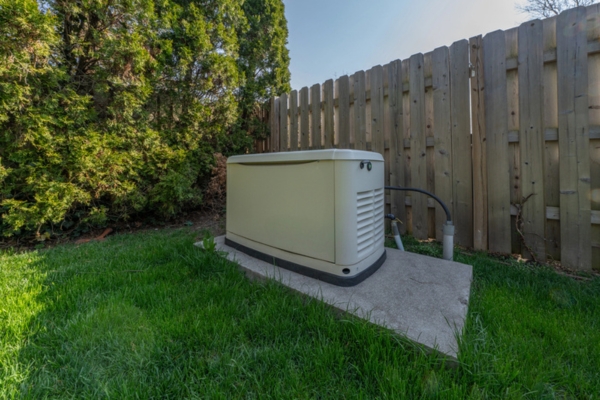
A whole-house generator typically lasts 15 to 30 years, depending on its design, maintenance, and operating conditions. However, frequent power outages, heavy usage, and neglected servicing can shorten its lifespan. Understanding the factors that affect generator lifespan can help homeowners protect their investment, prevent unexpected failures, and plan for future replacement.
This article covers how long whole-house generators generally last, what influences their longevity, essential maintenance practices, and warning signs that indicate when repairs or replacement may be necessary.
How Long Does a Whole-House Generator Typically Last?
With proper maintenance, most residential standby generators last about 15 to 30 years. However, their actual lifespan varies based on equipment quality, usage, and upkeep. Air-cooled generators are commonly used for residential backup power, particularly in small to medium-sized homes, while liquid-cooled models are generally better suited for larger homes, heavier electrical demands, and extended operation.
Operating hours also matter. Frequent or prolonged use increases mechanical wear, which can shorten the generator’s service life. Reviewing installation dates, operating hours, and maintenance records can help homeowners assess their generator’s condition and determine when replacement may be necessary.
Factors That Affect the Lifespan of a Whole-House Generator in Central New Jersey
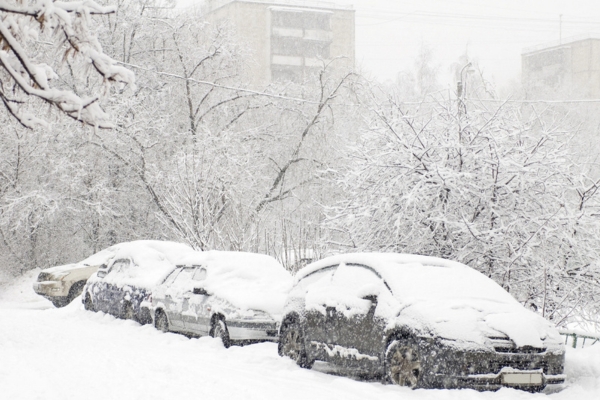
Several factors influence how long a whole-house generator remains reliable. From operating frequency to environmental conditions, understanding these factors can help homeowners minimize wear and extend their generator’s service life.
- Frequency and Duration of Use: Frequent outages and extended operation increase engine wear. Generators that run for prolonged periods typically require more maintenance than those used occasionally.
- Routine Maintenance and Servicing: Regular oil changes, filter replacements, battery inspections, and professional servicing help maintain performance. Neglecting maintenance can accelerate component deterioration and increase the risk of breakdowns.
- Weather and Environmental Exposure: Extreme temperatures, humidity, coastal salt exposure, and airborne debris can damage generator components. Corrosion, flooding, and restricted ventilation may further shorten equipment lifespan.
- Generator Size and Electrical Load: An improperly sized generator may struggle to meet household power demands. Frequent overloading adds stress to the engine and electrical components, accelerating wear.
- Installation Quality and Fuel Supply: Proper installation, adequate ventilation, and consistent fuel delivery support reliable operation. Faulty electrical connections or an inadequate fuel supply can cause recurring performance issues and premature wear.
How to Extend the Life of Your Whole-House Generator
Regular maintenance is essential to extending your whole-house generator’s lifespan and ensuring reliable performance. Following the manufacturer’s recommended service schedule helps prevent premature wear and unexpected breakdowns. Routine oil changes, filter replacements, and fluid checks reduce friction, overheating, and damage to internal components. Keeping the surrounding area free of vegetation, leaves, snow, and debris also maintains proper airflow and prevents overheating.
Regular generator exercise cycles help verify startup readiness and identify potential issues before an outage. Monitoring operating hours, maintenance records, warning codes, and unusual performance changes can also reveal developing problems.
After extended power outages, a professional inspection can identify excessive wear, fluid issues, or components requiring attention. These preventive measures help maintain efficiency, reduce costly repairs, and maximize the generator’s service life.
Signs Your Whole-House Generator May Be Nearing the End of Its Lifespan
As a whole-house generator ages, certain performance issues may indicate declining reliability or worn components. Recognizing these warning signs early can help homeowners determine whether repairs are sufficient or replacement is necessary.
- Frequent Repairs and Breakdowns: Recurring mechanical failures and repeated service calls may indicate that the generator is approaching the end of its useful life.
- Difficulty Starting or Unreliable Operation: Delayed startup, unexpected shutdowns, or failed exercise cycles may signal problems with the battery, engine, fuel system, or electrical controls.
- Unusual Noises, Vibrations, or Exhaust: Knocking sounds, excessive vibration, or abnormal exhaust may indicate mechanical deterioration requiring professional attention.
- Inconsistent Power Output: Voltage fluctuations, unstable operation, or difficulty supporting normal household electrical loads can indicate deteriorating components.
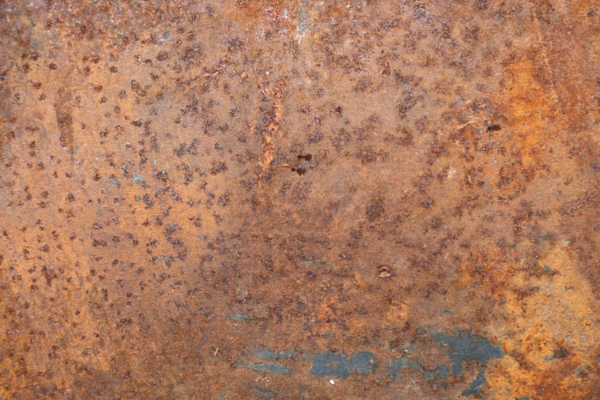
- Visible Corrosion and Component Damage: Extensive rust, damaged wiring, fluid leaks, or a deteriorating enclosure may indicate significant wear or environmental damage.
- Rising Repair Costs and Limited Parts Availability: Frequent expensive repairs, obsolete controls, or hard-to-find replacement parts can make replacing an aging generator more practical than continued servicing.
When Should You Repair or Replace a Whole-House Generator in New Jersey?
Deciding whether to repair or replace a whole-house generator depends on its age, condition, and repair costs. Generators approaching 15 to 20 years of service may require closer evaluation, especially if breakdowns become frequent or performance declines. Minor issues involving batteries, sensors, or other replaceable components are often economical to repair, while major engine damage, extensive corrosion, or recurring costly failures may justify replacement.
Household power needs also matter. Additional appliances, HVAC equipment, or electric vehicle charging may require a generator with greater capacity. A qualified technician can assess operating hours, maintenance history, electrical performance, and overall condition to determine the most practical long-term solution.
FAQs: Generator Lifespan
Can a Whole-House Generator Last 30 Years?
Yes. Some well-maintained standby generators can remain operational for 30 years, particularly models designed for demanding applications. Actual longevity depends on operating hours, environmental exposure, maintenance, and component availability.
Does a Whole-House Generator Wear Out If It Is Rarely Used?
Yes. Batteries, seals, electrical connections, and other components can deteriorate over time, even when the generator rarely operates. Regular exercise cycles and scheduled maintenance help preserve reliability.
How Often Should a Whole-House Generator Be Serviced?
Many manufacturers recommend professional inspections at least annually, with additional maintenance based on operating hours. Extended outages and demanding conditions may require shorter service intervals. The manufacturer’s specific schedule should always take priority.
Does Running a Generator Continuously Shorten Its Lifespan?
Extended operation increases accumulated engine hours and maintenance demands. Properly maintained standby generators are designed to operate during outages, but prolonged use requires adherence to manufacturer guidelines for inspections, lubrication, and servicing.
Can You Replace Individual Generator Components Instead of the Entire Unit?
Yes. Batteries, starters, sensors, filters, and certain electrical components can often be replaced independently. A professional assessment can determine whether repairs are economical or whether extensive deterioration makes complete replacement more practical.
Conclusion
Whole-house generators typically last 15 to 30 years, depending on usage, maintenance, equipment quality, and environmental conditions. Regular servicing, proper operation, and timely attention to performance issues can extend their lifespan and ensure reliable backup power.
If your generator shows signs of wear, frequent breakdowns, or declining performance, consult a qualified generator professional. An expert assessment can help assess whether repairs or replacement offers the most dependable, cost-effective long-term solution.
Contact Skylands Energy Service for Reliable Whole-House Generator Installation in Central New Jersey
Skylands Energy Service provides professional whole-house generator installation services for homeowners throughout Central New Jersey, helping ensure reliable backup power during unexpected outages. Our experienced technicians follow proper installation procedures and safety standards to deliver efficient, dependable performance when your home needs it most.
Whether you’re installing a generator for the first time or replacing an aging system, Skylands Energy Service offers personalized recommendations based on your home’s power requirements and budget. We prioritize quality workmanship, transparent pricing, and clear communication to make the installation process straightforward and stress-free.
Choosing Skylands Energy Service means partnering with professionals dedicated to protecting your home and providing lasting peace of mind. Contact Skylands Energy Service today to schedule a consultation and learn more about our whole-house generator installation services in Central New Jersey. Call now!
Choosing Skylands Energy Service means partnering with professionals dedicated to protecting your home and providing lasting peace of mind. Contact Skylands Energy Service today to schedule a consultation and learn more about our whole-house generator installation services in Central New Jersey. Call now!
Contact us now at (908) 707-1776 to find out more! Click here to view our service area.

Related Articles: