
Water contamination in an oil tank can cause expensive damage and reduce your heating system’s efficiency. At Skylands Energy Service, your trusted heating oil provider in Central New Jersey, we educate homeowners about what leads to water buildup in oil tanks and offer reliable ways to prevent it.
This article explores the common causes of water in oil tank issues, including condensation buildup and external leaks, while outlining practical measures to maintain fuel quality and prevent costly repairs. By taking the proper precautions, you can keep your oil tank free from water contamination and make sure your heating system runs efficiently all year.
Ensure Dependable Heating Oil Delivery: Prevent water in oil tank problems by keeping your tank full and protected. Contact Skylands Energy Service today!
Water in Oil Tank: What Causes It?

Water in your oil tank can develop from several factors, and recognizing these sources is essential to preventing long-term system issues. Below are the common ways water can enter your tank and practical methods to manage and prevent them effectively.
Safeguard Your Heating System with Professional Oil Tank Care: From thorough inspections to reliable installations, Skylands Energy Service is here to help. Call us today!
Condensation Buildup Inside Outdoor Heating Oil Tanks

Condensation forms inside outdoor heating oil tanks when warm air encounters the tank’s cooler surface, accumulating moisture. This issue becomes more frequent when temperature differences between the air and the tank exterior are substantial, increasing the risk of water in the oil tank over time.
Moreover, excess humidity in the empty space above the oil forms a pocket of moist air that triggers ongoing condensation cycles, steadily adding more water to the oil tank.
Inadequate ventilation around the tank worsens the situation by trapping damp air against its walls, preventing proper evaporation and allowing condensation to persist. Over time, this internal moisture accumulation can contaminate the heating oil and reduce the system’s efficiency.
Keep Cozy with Steady Oil Supply: Schedule your next heating oil delivery. Call Skylands Energy Service!
Damaged Heating Oil Tank: Defective or Missing Filler and Vent Caps
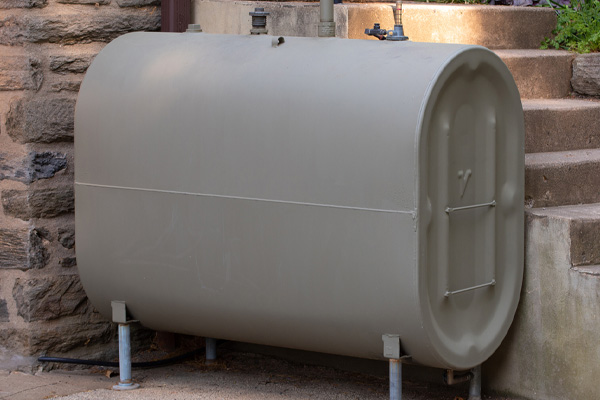
When filler cap seals or vent caps fail, a damaged heating oil tank becomes vulnerable to water in the oil tank contamination. Deteriorated gaskets around the filler opening can let rainwater or melting snow leak inside, introducing unwanted moisture.
Loose, incorrectly installed, or missing vent caps on fill ports and breathing vents further heighten the risk of water intrusion. These openings enable humid air and moisture to enter the system, ultimately compromising the oil’s purity and the heating system’s performance.
When zinc flappers become clogged or corroded, they lose their ability to prevent moisture from entering the tank, weakening its overall structure and leading to potential long-term damage. Scheduling routine inspections of oil tank breathers and seals is crucial to protect against water in the oil tank and maintain system reliability.
Upgrade to a Reliable New Oil Storage Tank: Replace your old unit with a high-quality, long-lasting model from Skylands Energy Service. Contact us today!
Structural Damage and Weld Failures in Heating Oil Storage Tanks
Corrosion is a primary factor behind structural deterioration in heating oil tanks. When rust forms beneath paint or insulation, it can create pinholes and cracks that let moisture enter, leading to water in the oil tank and fuel contamination.
Weld seam failures also pose a major issue, as stress along factory seams or past repair welds can eventually cause fractures, resulting in leaks and compromised tank integrity.
Mechanical impacts or foundation movement can also create fractures in the tank walls, weakening the structure. These types of damage, including corrosion cracks and weld seam leaks, jeopardize the tank’s durability and increase the likelihood of water in the oil tank, fuel contamination, and expensive repair needs.
External Water Intrusion in Outdoor Heating Oil Tanks

External water infiltration into a heating oil tank can happen through multiple entry points, resulting in fuel contamination. Flooding in basements or heavy rain accumulation around the tank can force water into the system through small gaps, cracks, or worn seals.
For buried tanks, higher water tables can cause groundwater to penetrate through unsealed tank walls, resulting in severe contamination. Poor drainage around the tank, often caused by uneven grading or missing gutter systems, can worsen this condition by allowing water to collect near the tank.
This situation raises the likelihood of leaks and moisture intrusion. Maintaining adequate drainage around the oil tank is vital to stop water from entering and affecting fuel quality.
Avoid Interruptions with Regular Oil Deliveries: Maintain a full, moisture-free tank throughout the season. Call Skylands Energy Service today!
Environmental and Site Conditions
Environmental and site conditions greatly affect how water infiltrates oil tanks. Humid climates, including coastal and tropical regions, expose tanks to excess moisture, which raises condensation levels. In residential settings where tanks are positioned near damp areas like bathrooms or laundry rooms, the increased indoor humidity can substantially contribute to moisture accumulation inside the tank.
Seasonal temperature fluctuations further increase the likelihood of condensation, as quick shifts between warm and cold conditions cause moisture in the air to form on the tank’s interior surfaces. Recognizing these climate-related oil tank moisture factors and indoor humidity contributors enables homeowners to proactively reduce internal moisture accumulation and maintain optimal fuel quality.
Effects of Water Contamination in a Residential Fuel Oil Tank

Water contamination inside a home oil tank can cause serious problems for the tank and the heating system. Below are the main consequences:
- Microbial Growth and Sludge Formation: The water that settles at the bottom of the tank creates an ideal environment for microbes, often called the “diesel bug.” These microorganisms multiply rapidly in water, resulting in microbial growth and thick sludge buildup that can clog fuel filters and obstruct proper fuel flow.
- Heating Oil Tank Corrosion and Pitting: Trapped moisture speeds up internal rust formation, resulting in corrosion and pitting along the tank walls. This deterioration weakens the tank’s structure, increasing the risk of leaks and reducing its reliability. It is one of the most common effects of heating system corrosion.
- Oil-Heat Equipment Performance Problems: Water contamination can lead to clogged filters, burner misfires, and lower heating efficiency. These complications hinder system performance, causing more frequent breakdowns and higher maintenance expenses. Such oil tank contamination effects can greatly affect home comfort and heating reliability.
Complete Oil Tank Replacement Solutions: Rely on Skylands Energy Service for expert installations and lasting reliability. Contact us today!
Prevention Strategies and Professional Maintenance

Implementing proactive oil tank maintenance practices helps prevent water contamination and supports the long-term performance of your heating system. The following care steps can reduce major issues and maintain your tank’s efficiency:
- Maintain Proper Heating Oil Levels: Keep the tank filled to at least 80% capacity to limit headspace moisture and lower condensation risk. Maintaining this level also reduces excess air inside the tank, preventing moisture from becoming trapped.
- Install High-Quality Breather and Filter Systems: Adding desiccant breathers and water-separating filters to the fill and fuel lines helps remove moisture before it can enter the tank. These systems effectively prevent water from entering the oil tank, ensuring cleaner, more reliable fuel quality.
- Schedule Routine Oil Tank Inspections: Consistent professional maintenance is crucial for preventing contamination. Regular inspections of vents, seals, and overall tank condition help detect early signs of wear or leaks, allowing timely repairs and protecting the system from costly damage.
Preserve Fuel Quality All Year: Schedule your heating oil delivery with expert tank inspections from Skylands Energy Service. Call us today!
Water in Oil Tank: Frequently Asked Questions

How Can I Identify Hidden Water in an Underground Oil Tank?
Certified technicians utilize specialized detection tools, such as water-finding paste applied to dipsticks and advanced electronic moisture probes, to locate water layers without excavating the tank. These precise methods help detect water buildup at the tank’s base early, allowing timely removal before it causes contamination or burner issues.
Can Water in My Oil Tank Harm My Heating Equipment?
Yes. Even minimal water in the oil tank can foster microbial growth, known as the “diesel bug,” which creates sludge that blocks filters and fuel injectors. Water also corrodes pump seals and nozzle components, causing burner misfires, poor combustion efficiency, and potentially costly system damage if not adequately addressed.
What Are the Warning Signs of Fuel Contamination Caused by Water in My Oil Tank?
Watch for these signs:
- Cloudy or Layered Fuel Samples: Using a clear syringe or container to draw fuel may reveal visible water layers or sediment buildup.
- Frequent Filter Clogs: Filters that block quickly even after replacement often indicate microbial sludge or debris caused by water contamination.
- Sooty or Yellow Flame: A change in burner flame color suggests moisture in the fuel, leading to incomplete combustion and smoky exhaust.
- Irregular Burner Operation: Short or uneven burner cycles and difficult startups can occur when water disrupts consistent fuel flow.
Prevent Expensive Repairs: Replace aging or corroded tanks before leaks occur. Schedule your oil tank replacement with Skylands Energy Service today!
What Maintenance Practices Can Improve My Tank’s Resistance to Moisture?
- Keep Fuel Levels High: Maintain your tank at 80–90% capacity to reduce empty space where humid air can condense.
- Enhance Ventilation and Insulation: Install exhaust fans or dehumidifiers in the tank area and use foam insulation or tank jackets to limit temperature fluctuations.
- Use Desiccant Breathers and Water-Separating Filters: These systems capture moisture before it reaches the fuel supply or lines.
- Add Fuel Treatments: Apply anti-condensation and biocide additives as the manufacturer recommends to absorb free water and prevent microbial growth. These treatments work alongside physical moisture barriers to ensure complete protection.
Are Modern Oil Tank Designs More Resistant to Water Intrusion Than Older Ones?
Yes. Contemporary oil tanks have seamless, factory-welded construction, corrosion-resistant interior linings, and advanced vent-cap systems with moisture barriers. These design improvements greatly minimize condensation and seepage, making them far less susceptible to water in the oil tank than older uncoated or traditional steel models.
Conclusion
Water can enter your oil tank through condensation, damaged caps, structural weaknesses, or unfavorable site conditions. These problems can cause fuel contamination and reduce heating efficiency, highlighting the importance of preventive maintenance to keep your system dependable. Routine inspections and professional care can stop costly damage and extend your tank’s service life.
Worried about water in your oil tank? Contact Skylands Energy Service in Central
New Jersey today for a detailed oil tank inspection, professional heating oil maintenance, and effective long-term solutions. Trust our experienced local experts to safeguard your heating system and keep it performing efficiently all year.
Trust Skylands Energy Service, Your Local Heating Oil Specialists: Schedule your next oil delivery today for dependable comfort all season long. Call us now!
Contact Skylands Energy Service for Reliable Heating Oil Delivery
Skylands Energy Service is focused on keeping homes and businesses across Central New Jersey warm and comfortable with dependable heating oil delivery. We provide premium-quality fuel promptly and efficiently, ensuring you enjoy the heat you need without inconvenience. With competitive pricing, transparent service, and a customer-first approach, your comfort always comes first.
Skylands Energy Service offers flexible heating oil delivery plans and financing options, enabling customers to tailor their fuel schedules to meet their needs. Each customer receives personalized attention to ensure consistent comfort and efficiency throughout winter.
Beyond fuel delivery, Skylands Energy Service provides complete HVAC solutions, serving as your trusted partner for total home comfort. From installations and regular tune-ups to emergency repairs, our experienced team ensures your systems operate safely and efficiently.
Partnering with Skylands Energy Service means choosing a company known for reliability, professionalism, and outstanding customer care. Contact us today to schedule your delivery or learn more about our full range of heating services!
Also, take advantage of our reliable and affordable heating oil delivery services throughout Central New Jersey. We have many delivery plans and financing options available to meet your needs. Call now!
Contact us now at (908) 707-1776 to find out more! To view our service area, click here.

Related Articles: