

Discovering that your furnace pilot light goes out after heating can be unsettling, especially when you depend on your system for steady comfort throughout the colder months.
Homeowners trust Skylands Energy Service for dependable furnace repairs in Central New Jersey. We offer solutions that restore safe, consistent heat. With years of experience addressing furnace ignition issues, unstable pilot flames are common problems that ailing furnaces may experience.
This article outlines the key reasons a furnace pilot light goes out after heating, the signs that indicate a larger issue, and the steps to ensure efficient, reliable performance.
Reliable Furnace Repair Professionals: Skylands Energy Service restores safe, efficient heating performance. Contact us today.
Why Does a Furnace Pilot Light Go Out After Heating?

Before exploring solutions, it helps to understand why a pilot flame shuts off after the furnace completes a heating cycle. These underlying issues reveal how airflow, fuel delivery, and component condition influence pilot stability.
Your Local Heating Repair Specialists: Skylands Energy Service delivers fast, accurate solutions for all furnace issues. Reach out now.
Reasons Behind Furnace Pilot Light Issue
Before addressing long-term solutions, it helps to understand the mechanical issues that cause the flame to shut off at the end of the heat cycle.
1. Faulty Thermocouple Fails to Stay Hot
A thermocouple acts as a safety device that confirms the presence of the pilot flame, but dirt buildup, wear, or misalignment can prevent it from sensing heat correctly.
When it cannot detect a steady flame, it turns off the gas supply to prevent unsafe combustion, which causes the pilot light to go out immediately after the furnace finishes its heating cycle.
2. Weak or Unstable Pilot Flame
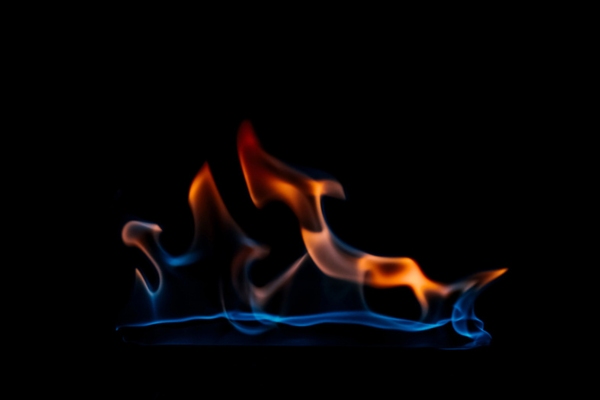
A strong, steady, blue flame is necessary to keep the thermocouple warm enough to maintain gas flow. A flame that flickers, appears yellow, or burns unevenly lacks the intensity needed to stay stable through the system’s shutdown phase. This weakness makes the pilot more likely to extinguish at the end of the heating cycle.
Complete Furnace Care Experts: Skylands Energy Service handles diagnostics, repairs, and system adjustments with precision. Call today.
3. Dirty or Partially Blocked Pilot Opening
The pilot orifice is a tiny opening that allows gas to reach the pilot flame, yet dust, soot, or debris can clog this passage over time. Restricted gas flow results in a small, unstable flame that cannot withstand normal pressure changes within the furnace, causing the pilot to go out shortly after the system turns off.
4. Poor Draft or Backdraft Conditions
A properly drafted system is essential for stable combustion, though airflow disturbances near the furnace can blow out the pilot. Blocked vents, negative indoor air pressure, or exhaust problems create turbulence around the burner assembly, especially when the furnace stops running, and air movement shifts suddenly.
Trusted Home Heating Technicians: Skylands Energy Service keeps your furnace running smoothly with dependable repair service. Schedule now.
5. Faulty Gas Valve or Loose Connection
The gas valve controls the amount of fuel reaching both the burners and the pilot. When the valve wears down or the fittings loosen, gas flow becomes inconsistent, making the pilot flame too weak to stay lit. These issues require professional attention since faulty gas components pose safety risks and reduce heating reliability.
6. Moisture or Rust Inside the Central New Jersey Furnace Burner Assembly

Excess moisture from leaks, high humidity, or poor ventilation can contribute to rust formation in the burner area. Corrosion flakes and moisture disrupt gas delivery to the pilot, causing instability or a complete flame outage. Persistent rust also signals a larger mechanical or environmental issue that needs prompt evaluation.
Skilled Furnace Service Team: Skylands Energy Service identifies problems quickly and provides long-lasting repair solutions. Contact us today.
Conditions That Make Heating System Pilot Light Issues Worse
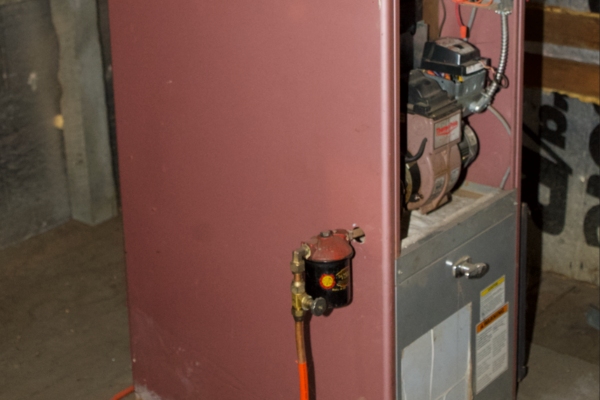
Several environmental and system-related conditions can increase the likelihood of the pilot light going out after the furnace completes a heating cycle.
- Drafts Near the Furnace Location: Open doors, attic gaps, or basement windows create airflow that disrupts the burner’s flame balance. Even minor drafts can weaken or extinguish the pilot flame.
- Lack of Routine HVAC Maintenance: Dust, soot, and worn components accumulate over time, interfering with ignition and flame stability. Without regular cleaning and inspections, pilot outages become more frequent.
- High Humidity or Water Leaks: Moisture from leaks, poor drainage, or damp basements accelerates corrosion around the pilot assembly. Rust and condensation weaken the flame and contribute to repeated failures.
- Older Furnace Models: Aging pilot systems lose reliability as gas lines, valves, and ignition components wear down, making the pilot more likely to go out between heating cycles.
Dependable Heating System Support: Skylands Energy Service ensures your furnace stays efficient and reliable all season. Book your repair now.
How to Prevent a Heater Pilot Light From Going Out
Keeping the pilot area clean helps maintain stable ignition by preventing dust, soot, and debris from restricting gas flow and weakening the flame after heating cycles.
Regular furnace tune-ups further improve reliability, allowing technicians to clean burners, adjust the pilot flame, inspect the thermocouple, check gas pressure, and confirm proper safety control operation.
Addressing airflow and ventilation issues is equally important. Drafts from doors or poorly sealed areas and blocked vents can disrupt combustion and destabilize the flame.
Promptly replacing worn components such as thermocouples, gas valves, and pilot assemblies prevents age-related performance loss, helping keep the pilot light steady, reducing unexpected shutdowns, and supporting safe, efficient furnace operation.
What to Do When the Pilot Light Keeps Going Out

If your pilot light keeps shutting off after each heating cycle, avoid repeatedly relighting it. Doing so can create safety risks and can also conceal a more serious issue.
The safest solution is to contact a licensed HVAC technician. A professional can accurately diagnose airflow, fuel delivery, ignition, or safety control problems. They can also restore stable operation.
Requesting a full system evaluation is recommended. Recurring pilot outages often point to deeper issues that may include failing burners, deteriorating wiring, or ventilation defects. Addressing them is essential for safe, efficient, and reliable heating.
Professional Heating System Troubleshooting: Skylands Energy Service delivers thorough inspections and effective repairs. Call for service today.
FAQs: Furnace Pilot Light Goes Out After Heating
Can a Pilot Light Issue Lead to Bigger Furnace Problems?
Yes. A pilot light that goes out repeatedly can signal deeper mechanical issues that may worsen over time. Frequent outages can strain the ignition system, overwork safety components, and cause the gas valve to cycle improperly. These conditions increase wear on key parts and may shorten the furnace’s life span if the root cause is not addressed promptly.
How Does Cold Weather Influence Pilot Light Performance?
Cold air affects draft, combustion, and fuel stability. Sudden temperature drops create strong air movement around the furnace, increasing the likelihood that the pilot flame will be disturbed. Cold surfaces inside the burner assembly can also create condensation, leading to rust and flame instability. Homes with poor insulation or leaky basements see these effects more often.
What Does a Properly Adjusted Pilot Flame Look Like?
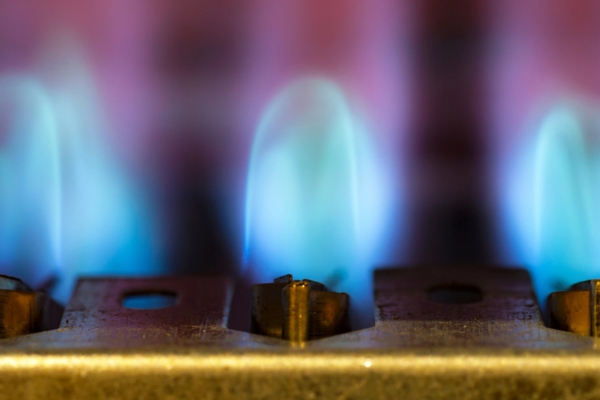
A correct pilot flame is steady, blue, and shaped like a small, well-defined cone. It should be strong enough to engulf the thermocouple tip fully. A flame that is yellow, wavering, noisy, or too small indicates incorrect gas pressure, debris in the orifice, or improper adjustment. These conditions reduce heating reliability and should be corrected during a professional inspection.
Your Source for Quality Furnace Repairs: Skylands Energy Service offers expert service that restores comfort and consistent heat. Schedule your appointment today.
Can Other Household Appliances Affect the Pilot Flame?
Exhaust fans, dryers, HVAC air handlers, and kitchen range hoods can change the air pressure inside your home. When these appliances run, they can pull air toward them and create negative pressure around the furnace. This shift disrupts the steady airflow the pilot needs to remain stable, making the flame more vulnerable to going out after the burner stops.
Can Dirty Air Filters Affect the Stability of the Pilot Light?
Yes. A clogged air filter restricts airflow through the furnace, which alters the internal air pressure and combustion environment. When airflow becomes unbalanced, the burner assembly may experience turbulence, disrupting the pilot flame. Restricted airflow also forces the furnace to work harder, generating more heat around sensitive components and increasing the likelihood of flame instability. Replacing the air filter regularly helps maintain steady airflow, proper combustion, and pilot reliability.
Conclusion
A pilot light that shuts off after heating often indicates problems with airflow, fuel supply, or worn components. Quick action helps prevent repeated outages and protects overall system performance. It also supports safe and efficient operation throughout the season.
If your pilot light keeps going out, contact Skylands Energy Service for expert furnace diagnostics and dependable repair services. Our team restores steady heat and ensures your system runs safely.
Comprehensive Furnace Repair Assistance: Skylands Energy Service resolves airflow, ignition, and mechanical issues promptly. Get in touch now.
Contact Skylands Energy Service for Trusted Heating and Cooling Solutions
Homeowners and businesses across Central New Jersey rely on Skylands Energy Service for high-quality HVAC services delivered with professionalism and care. Our certified technicians handle everything from routine tune-ups and precision repairs to full system installations and replacements. Each team member brings strong technical knowledge and practical experience, ensuring your equipment receives dependable, accurate service every time.
We focus on offering fair, competitive pricing while helping customers improve comfort and energy efficiency throughout the year. Our maintenance and repair services are tailored to reduce utility costs, extend equipment life, and keep your home or business running smoothly.
If you need a quick repair or are considering a new HVAC system, Skylands Energy Service is ready to recommend solutions that match your needs and budget. We stand behind every job with a commitment to your satisfaction and long-lasting results.
Contact Skylands Energy Service today to schedule your appointment or request an in-home consultation. Call now to get started!
Contact us now at (908) 707-1776 to find out more! To view our service area, click here.

Related Articles:
- Can A Furnace Run Without Its Filter?
- Heating System Efficiency: Understanding AFUE vs AFUE2
- How To Perform Furnace Troubleshooting Properly
- Reducing Your Carbon Emissions Through High-Efficiency Heating Systems
- Unraveling the Mystery Behind Furnace Noises