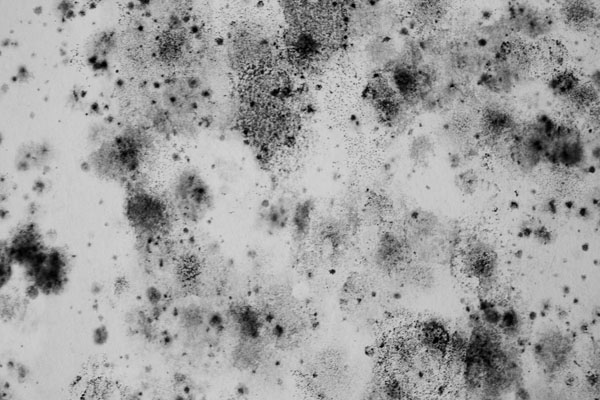
Mold growth inside air conditioning systems is a frequently overlooked problem. Yet, it can seriously affect indoor air quality and contribute to health concerns such as allergies, asthma symptoms, and respiratory irritation. At Skylands Energy Service, we do more than provide routine HVAC service. Our team works to maintain clean, healthy indoor air and help protect your home from the risks associated with mold contamination.
This article explores effective methods for preventing the growth of air conditioner mold, helping maintain peak performance while keeping the air inside your home cleaner, healthier, and more comfortable.
Stay Cool with Expert HVAC Service: Skylands Energy Service provides professional AC installation, repair, and maintenance to keep your home comfortable throughout the summer. Contact us today to schedule service.
What Causes Mold Growth in Air Conditioning Systems?

Air conditioners can create ideal conditions for mold growth due to the moisture and limited light inside many components. Several factors can contribute to this problem, including condensation buildup, poor airflow, and high indoor humidity levels.
Dirty air filters, clogged ductwork, and standing water in drain pans or condensate trays can further encourage mold development. When mold is present in an HVAC system, it may affect indoor air quality, contribute to allergy and respiratory symptoms, create unpleasant odors, and reduce overall system efficiency.
Enjoy Reliable Comfort Year-Round: Skylands Energy Service provides expert AC repairs, maintenance, and installations to keep your home comfortable. Contact us today.
Health Risks Associated With Air Conditioner Mold
When mold spores circulate through your air conditioning system, they can reduce indoor air quality throughout your home. Exposure to mold-contaminated air may lead to respiratory symptoms like coughing, wheezing, and difficulty breathing.
People with allergies may experience increased congestion, sneezing, and eye or throat irritation. Asthma sufferers can see more frequent or severe symptoms, while prolonged exposure may also contribute to skin irritation, headaches, and fatigue. Children, older adults, and individuals suffering from asthma or weakened immune systems are often the most vulnerable to mold-related health effects.
Preventing Air Conditioner Mold and Protecting Your Home
Keeping mold out of your air conditioner is important for maintaining healthy indoor air and reliable system performance. Here are some effective strategies to help prevent mold growth and keep your home safe.
1. Keep Your A/C Unit Clean and Properly Maintained

Routine maintenance helps reduce the risk of mold growth while supporting efficient air conditioner performance. Regularly cleaning or changing air filters can help prevent mold spores and other airborne contaminants from circulating throughout your home.
Cleaning evaporator and condenser coils is also important, as dust, debris, and moisture buildup can create conditions that encourage mold. Professional HVAC maintenance allows technicians to inspect for hidden mold, address problem areas, and keep your system operating cleanly and efficiently.
Experiencing Weak Airflow or Uneven Cooling? Let Skylands Energy Service diagnose the problem and restore your home’s comfort. Call today.
2. Control Indoor Humidity Levels
Managing indoor humidity is an important step in preventing mold growth within air conditioning systems. Ideally, humidity levels should remain between 30% and 50%. In more humid conditions, a dehumidifier can help reduce excess moisture and lower the risk of mold development.
Improving airflow with ceiling fans and exhaust fans can also help reduce indoor dampness. In addition, sealing air leaks and properly insulating ductwork can minimize condensation buildup and further protect your HVAC system from mold-related issues.
3. Maintain Proper AC Drainage and Prevent Water Buildup
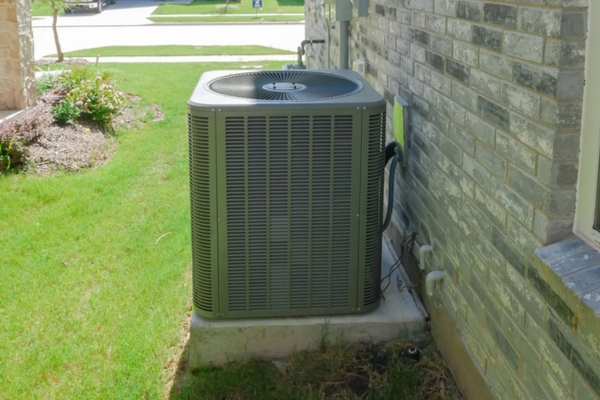
Proper drainage is essential for preventing excess moisture and lowering the risk of mold in your air conditioning system. Routinely inspecting and clearing the condensate drain line can help prevent clogs that cause water to back up and collect inside the system.
Cleaning the drain pan is equally important, as standing water creates an ideal environment for mold. If moisture problems persist or you suspect a blocked drainage system, contact an HVAC professional for an inspection.
Additional measures, such as installing a float switch or using drain pan treatments, can help reduce mold risks and keep your air conditioning system dry, efficient, and operating properly.
Maximize Your Cooling System’s Performance: Regular maintenance improves efficiency, reduces wear, and prevents unexpected repairs. Schedule service with Skylands Energy Service today.
4. Improve HVAC Airflow and Ventilation
Proper airflow and ventilation play an important role in preventing mold growth within your HVAC system. Keeping vents open and free of obstructions promotes consistent air circulation throughout your home, helping minimize the damp conditions that encourage mold development. Regular duct cleaning can also help limit the spread of mold spores through your air distribution system.
Upgrading to high-efficiency air filters can capture more airborne particles, including mold spores, helping improve indoor air quality. For added protection, UV light systems installed near evaporator coils or within ductwork can help control mold and bacteria growth in the HVAC system.
5. Use Mold-Resistant HVAC Products and Treatments
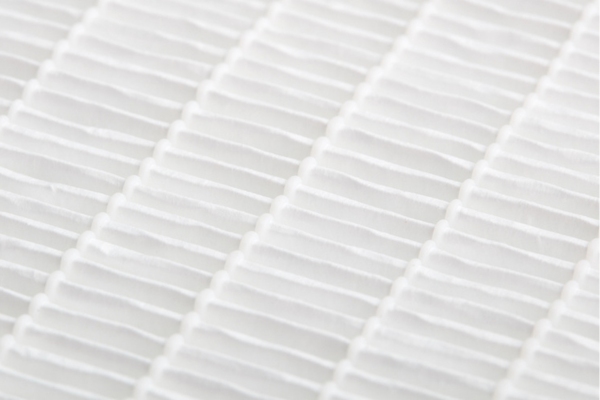
Adding mold-resistant products to your HVAC maintenance plan can help lower the likelihood of mold growth. An HVAC professional can recommend antimicrobial treatments for evaporator coils and ductwork, helping limit mold development throughout the system.
Choosing mold-resistant air filters, including HEPA or activated carbon options, can further improve indoor air quality by capturing airborne contaminants. Using AC-safe disinfectant products on accessible components can also help control mold spores and maintain system cleanliness.
For enhanced protection, consider installing a whole-home air purification system. These systems help remove mold spores and other pollutants from the air, supporting healthier indoor air quality and providing an added layer of defense against mold.
Upgrade to High-Efficiency Cooling: A modern air conditioning system can reduce energy costs and enhance indoor comfort. Contact Skylands Energy Service today.
Signs Your Air Conditioner May Have Mold
Detecting mold early can help prevent it from spreading throughout your HVAC system and affecting indoor air quality. Watch for these common warning signs:
- Musty or Mildew Odors: A persistent musty smell from vents is often one of the first signs of mold growth inside the system.
- Increased Allergy or Respiratory Symptoms: Worsening allergies, coughing, sneezing, or respiratory irritation indoors may indicate mold spores are circulating through the air.
- Visible Mold Growth: Inspect vents, air filters, and accessible AC components for signs of mold or mildew.
- Excess Moisture or Water Leaks: Moisture buildup, condensation, or dripping water near the indoor unit can create conditions that support mold growth.
If you notice any signs of mold in your air conditioning system, contact a qualified HVAC professional promptly. Professional mold inspection, cleaning, and remediation can help eliminate the problem, prevent further contamination, and ensure your system operates safely and efficiently.
When to Contact an HVAC Professional for Mold Prevention or Removal

Professional HVAC service may be necessary if mold continues to recur despite routine maintenance or if visible mold is present in the ductwork or on system components. Expert cleaning and mold remediation services can help remove mold growth thoroughly and reduce the likelihood of future contamination.
HVAC technicians can also recommend and install preventative solutions, such as UV light systems, dehumidifiers, and air purification equipment, to help control moisture and mold. Professional inspections, cleaning, and prevention strategies support efficient system operation while helping maintain healthier indoor air quality.
Reliable Cooling Solutions for Every Need: From AC repairs and diagnostics to complete system replacements, Skylands Energy Service delivers trusted HVAC service. Schedule your appointment today.
FAQs: Air Conditioner Mold

Can Mold From a Cooling System Contaminate Other Areas of the Home?
Yes. Mold spores can travel through your air conditioning unit and ductwork, allowing them to spread to different areas of your home. Once airborne, these spores may settle on walls, ceilings, furnishings, and other HVAC components. If the issue is not addressed quickly, mold can continue to grow, leading to more extensive contamination that may require professional remediation.
Which Air Conditioning Systems Are More Susceptible to Mold Growth?
Some air conditioning systems are more likely to develop mold due to design, age, or maintenance issues. Older units with restricted airflow, drainage problems, or dirty components can trap moisture and create favorable conditions for mold. Window and portable air conditioners may also face a higher risk because condensation can accumulate more easily within the unit. Consistent maintenance, proper drainage, and adequate ventilation can help minimize mold growth in any type of system.
Does Running Your AC Continuously Prevent Mold?
Running your air conditioner regularly can help control indoor humidity and minimize the risk of mold growth. However, an oversized system may cool your home too quickly without removing enough moisture, creating conditions that can encourage mold growth. Proper system sizing, adequate ventilation, and routine maintenance are the most effective methods to prevent mold problems.
Improve Indoor Air Quality and Comfort: Skylands Energy Service can help reduce mold, dust, and airflow issues with professional HVAC maintenance and service. Contact us today.
Can Mold in an Air Conditioner Increase Energy Costs?
Yes. Mold accumulation can restrict airflow and reduce system efficiency, causing your air conditioner to run harder and consume more energy. Mold on coils, filters, and other components can also increase wear on the system and contribute to more frequent repairs. Regular cleaning and maintenance help maintain peak performance and control energy costs.
How Do UV Lights Help Prevent Mold in HVAC Systems?
UV lights can be an effective way to control mold growth inside HVAC systems. Typically installed near evaporator coils or within ductwork, they help reduce mold spores, bacteria, and other airborne contaminants before they circulate throughout the home. Many modern HVAC systems offer UV air purification as an optional upgrade, providing added protection against mold while supporting better indoor air quality.
Conclusion
Keeping mold out of your air conditioning system is important for maintaining healthy indoor air and reliable HVAC performance. Regular maintenance, proper humidity control, and good airflow are among the most effective ways to prevent mold growth while improving system efficiency and extending equipment life.
For professional maintenance and advanced mold-prevention solutions, turn to Skylands Energy Service. Our experienced technicians can help keep your air conditioning system clean, efficient, and operating at its best year-round.
Dependable Cooling Services for Your Home: Whether you need an AC repair, system upgrade, or new installation, Skylands Energy Service is ready to help. Schedule your consultation today.
Contact Skylands Energy Service for Expert HVAC Services
At Skylands Energy Service, we provide reliable heating and cooling solutions throughout Central New Jersey. Our professionally certified HVAC technicians specialize in tune-ups, repairs, installations, replacements, and other essential services. With extensive industry experience and technical expertise, our experts are dedicated to making sure your HVAC system operates efficiently and dependably.
We take pride in providing quality HVAC services at competitive rates. Our maintenance programs are designed to improve comfort, increase energy efficiency, and help reduce heating and cooling costs. Whether you need a repair, equipment upgrade, or complete system replacement, we will recommend practical solutions tailored to your home, comfort goals, and budget. Every service is backed by our commitment to customer satisfaction.
When you choose Skylands Energy Service, you can expect professional service, honest recommendations, and a strong commitment to customer satisfaction. Get in touch with Skylands Energy Service today to book an in-home consultation or service appointment. Call now!
Contact us now at (908) 707-1776 to find out more! To view our service area, click here.
Related Articles:
- Energy-Efficiency & More: The Benefits Of New Air Conditioners
- Essential Air Conditioner Tips for Summer Comfort and Efficiency
- Air Conditioning Scams: 7 Warning Signs You Should Never Ignore
- Enhancing Home Comfort: The Importance of a Home Equipment Service Plan
- How To Tell If Your HVAC Ductwork Has Air Leaks