


Most heating oil tanks have a lifespan of 15 to 30 years, although durability varies based on construction materials, installation quality, surrounding conditions, and upkeep. As tanks age, rust, prolonged moisture exposure, and deterioration can compromise their structural integrity, potentially causing fuel leaks and expensive property damage. Understanding these factors allows homeowners to spot early warning signs and schedule tank replacement before serious problems develop.
This article explains what determines heating oil tank lifespan, essential maintenance practices, and key indicators that suggest your tank needs replacement.
Common Types of Heating Oil Storage Tanks
Heating oil tanks come in several configurations, with each type providing specific benefits regarding placement, accessibility, upkeep, and service life. The two primary options are:
- Above-Ground Heating Oil Tanks: Typically located outside the home or inside basements, these tanks provide convenient access for inspections, maintenance, and replacement. Installation is generally more affordable, and their expected service life ranges from 15 to 25 years, depending on tank materials and proper upkeep.
- Underground Heating Oil Tanks: Buried beneath the property’s surface, these tanks help conserve yard space and preserve landscaping aesthetics. However, accessing them for inspections, servicing, or replacement is more challenging. They generally last 20 to 30 years, depending on soil conditions, corrosion-prevention measures, and ongoing maintenance.
Common Materials Used for Heating Oil Tanks
Heating oil storage tanks are manufactured from various materials, each offering different levels of durability, corrosion resistance, and longevity. Common options include:
- Steel Oil Tanks: A conventional option valued for its strength and durability, steel tanks can gradually develop corrosion. These tanks generally have an expected service life of 15 to 20 years.
- Fiberglass Oil Tanks: Lightweight and highly resistant to rust and corrosion, fiberglass tanks offer easier installation and typically provide 20 to 30 years of service.
- Polyethylene Oil Tanks: These modern tanks feature advanced designs and excellent corrosion resistance, making them a durable storage solution. Their general lifespan ranges from 20 to 30 years.
Key Factors Influencing Heating Fuel Tank Longevity in Central New Jersey
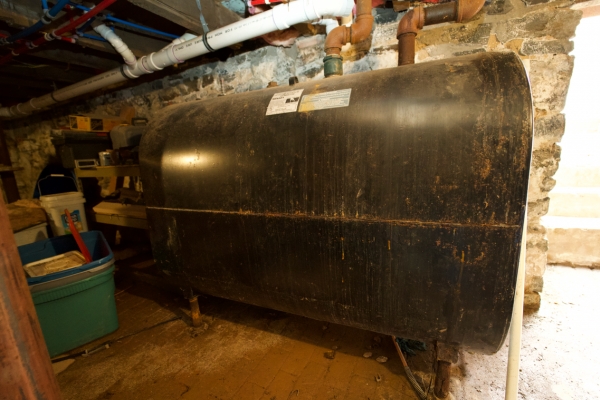
Several important conditions can affect the service life of your home’s heating oil tank, including:
Proper Oil Tank Installation
Correct installation plays a significant role in extending a heating oil tank’s lifespan. The tank must remain level, have adequate structural support, and be positioned away from potential environmental risks. Professional installation helps ensure compliance with established safety requirements while supporting reliable performance and long-term durability.
Routine Heating Oil Tank Maintenance & Inspections
Qualified technicians perform yearly evaluations to preserve your heating oil tank’s condition and extend its service life. These assessments allow professionals to detect and address corrosion, fuel leaks, and accumulated sediment before they compromise the tank’s structural stability and safe operation.
Surrounding Environmental Factors
Environmental exposure plays an important role in determining heating oil tank longevity. Severe temperatures, excessive moisture, and heavy rainfall can accelerate wear, especially when tanks occupy exposed areas. Underground tanks face additional challenges because damp or chemically aggressive soil can speed up corrosion, making regular monitoring and preventive maintenance especially important.
Oil Storage Usage & Fuel Quality
How frequently a heating oil tank is used, and the quality of fuel stored, can influence its lifespan. Consistent deliveries of high-quality heating oil help minimize sludge accumulation and support efficient operation. Conversely, long periods of inactivity or poor-quality fuel may accelerate tank deterioration.
Heating Oil Tank Placement
Tanks installed indoors typically have longer service lives because they remain protected from extreme weather and moisture. Outdoor tanks face greater environmental exposure, so they need more frequent inspections and preventive maintenance to preserve their condition and durability.
Essential Maintenance Practices to Extend Heating Oil Storage Tank Life
Proper maintenance helps preserve your heating oil tank’s condition, prevent premature deterioration, and maximize its service life. Consider these important practices:
- Routine Oil Tank Inspections: Arrange regular evaluations by qualified professionals to check for corrosion, deterioration, and loose connections. Identifying developing problems early allows timely repairs and helps prevent more serious tank damage.
- Tank Cleaning & Sludge Removal: Schedule periodic tank cleaning and professional sludge removal when needed to preserve fuel quality and heating efficiency. Appropriate fuel additives may help reduce sediment accumulation, improve fuel performance, and protect internal tank surfaces.
- Preventing Heating Oil Tank Corrosion: Use suitable protective coatings and corrosion-resistant treatments to minimize rust formation, especially on tanks exposed to moisture, temperature fluctuations, and challenging outdoor conditions.
- Checking for Fuel Oil Leaks: Consider installing leak detection equipment to identify potential problems promptly. Watch for visible oil stains, unusual fuel odors, or damp areas near the tank. Early detection helps minimize environmental contamination, property damage, and possible regulatory penalties.
Warning Signs Your Heating Oil Tank Requires Replacement
Identifying early indications of tank deterioration helps homeowners avoid fuel spills, costly property damage, and potential safety risks. Common warning signs include:
- Visible Rust and Corrosion: Extensive rust can weaken the tank’s walls, making leaks and structural failure more likely.
- Heating Oil Leaks: Fuel stains or seepage near tank connections, joints, or damaged surfaces demand immediate attention to minimize environmental contamination.
- Compromised Tank Structure: Swelling, visible distortion, or inadequate foundation support may threaten the tank’s stability and safe operation.
- Aging Heating Oil Tank: Tanks approaching or surpassing their anticipated service life should undergo professional assessment to determine whether replacement is necessary.
Heating Oil Storage Tank Replacement Costs & Important Factors

Several expenses and practical factors influence the overall cost of replacing a heating oil tank. Equipment pricing depends on tank dimensions, storage capacity, construction materials, and manufacturer. Comparing available models and prices helps homeowners select an appropriate replacement that meets their heating requirements.
Installation costs also affect the total investment. Professional installation helps meet applicable safety codes and local requirements while promoting dependable, long-lasting performance.
Environmental regulations require careful consideration during replacement. Incorrect installation or tank disposal may result in hazardous conditions, contamination, and regulatory fines. Working with experienced professionals ensures safe tank removal, proper disposal, and compliant installation while minimizing risks to your property and surrounding environment.
Frequently Asked Questions About Heating Oil Tank Lifespan

Can an HVAC Professional Handle Old Fuel Oil Tank Removal and Disposal?
Yes, qualified HVAC professionals can assist with the safe removal and disposal of outdated heating oil tanks. Proper disposal procedures help prevent environmental contamination and ensure compliance with applicable regulations. Experienced technicians can coordinate the process, from safely removing the tank to arranging responsible disposal. Contact Skylands Energy Service to discuss professional oil tank removal and disposal services in Central New Jersey.
Can an Underground Oil Tank Be Installed at an Existing Home?
Yes, underground heating oil tanks can be installed at existing properties. Qualified technicians evaluate available space, soil conditions, local regulations, and household heating requirements to determine suitable placement and ensure safe installation.
What Does a Professional Heating Oil Tank Inspection Include?
During an inspection, qualified technicians examine the tank for corrosion, leaks, structural damage, and other potential problems. They also assess safety compliance and recommend necessary maintenance or repairs. Regular inspections help maintain safe operation, prevent costly failures, and extend tank lifespan.
How Frequently Should I Arrange Home Heating Oil Deliveries?
Regular heating oil deliveries help maintain a consistent fuel supply and prevent unexpected runouts. Delivery frequency varies depending on household consumption, outdoor temperatures, and heating equipment efficiency. Skylands Energy Service can help establish a delivery schedule that matches your heating needs. Consider automatic delivery for added convenience and dependable warmth throughout winter.
What Steps Should I Take If My Fuel Oil Tank Runs Empty?
Contact a nearby heating oil provider offering emergency deliveries if your tank runs out of fuel. Some suppliers accommodate urgent requests resulting from severe weather, increased heating demand, or delivery delays. Service availability and response times vary by provider. Automatic heating oil delivery can help prevent future runouts by scheduling refills according to projected fuel consumption.
Conclusion
Understanding heating oil tank types, factors influencing longevity, maintenance requirements, replacement warning signs, and associated costs helps homeowners make informed decisions. Routine inspections, preventive care, and timely replacement are essential for maintaining safe operation, reliable performance, and long-term heating efficiency.
For professional heating oil tank inspections, maintenance, or replacement services, contact Skylands Energy Service. Our experienced team can evaluate your tank’s condition and recommend dependable solutions suited to your home’s heating requirements.
Call Skylands Energy Service for Reliable Heating Oil Delivery in Central New Jersey
Skylands Energy Service provides dependable heating oil delivery to residential and commercial customers throughout Central New Jersey, helping maintain consistent warmth during the colder months. Our team supplies premium heating oil promptly and efficiently, making it easier to keep your property comfortable without unnecessary interruptions. We combine competitive pricing, clear communication, and responsive customer support to deliver a convenient experience that puts your heating needs first.
Beyond heating oil delivery, Skylands Energy Service provides comprehensive HVAC solutions, giving homeowners access to essential heating and cooling services through one trusted provider.
When you choose Skylands Energy Service, you gain an experienced local company committed to reliability, professional service, and lasting customer relationships. Our focus on quality workmanship and client satisfaction makes us a dependable choice for home comfort solutions.
Contact Skylands Energy Service today to explore our available products and services. Reach out now to schedule a free in-home consultation and discover how we can help!
Take advantage of our reliable and affordable heating oil delivery services throughout Central New Jersey. We have many delivery plans and financing options available to meet your needs. Call now!
Contact us now at (908) 707-1776 to find out more! To view our service area, click here.

Related Articles:
- Heating Oil vs. Electric Heat: Comparing Home Heating Costs
- Why Summer Weather Can Increase The Risk Of Heating Oil Tank Corrosion
- Why Choosing A Local Heating Oil Supplier Makes A Difference
- Trusted Heating Oil And The Future Of Reliable Home Heating
- How To Read Your Heating Oil Tank Gauge Correctly