

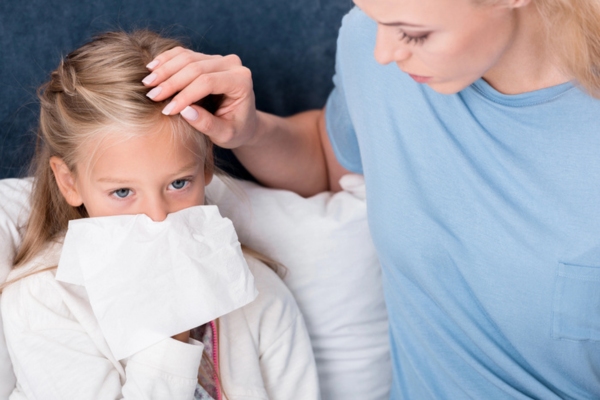
Stepping into a cool, air-conditioned home or workplace during the summer can provide welcome relief from the heat. However, spending extended periods in poorly maintained or improperly managed indoor environments may contribute to headaches, dry eyes, fatigue, or respiratory discomfort, a group of symptoms often associated with air conditioning sickness.
This article explains what air conditioning sickness is, its common causes and symptoms, and the steps you can take to improve indoor air quality and reduce the risk of discomfort.
Understanding Air Conditioning Sickness
Spending long periods in air-conditioned environments can affect indoor air quality and personal comfort in ways that are not always obvious. Recognizing the common causes of air conditioning sickness can help you take practical steps to maintain a healthier and more comfortable indoor environment.
Air Conditioning Sickness Definition & Symptoms
Air conditioning sickness refers to health symptoms that can develop after spending extended periods in air-conditioned indoor spaces. People may experience headaches, dizziness, dry throat, irritated eyes, nasal congestion, or other respiratory discomfort due to prolonged exposure. These issues can reduce comfort, interfere with daily activities, and impact overall well-being, highlighting the importance of maintaining healthy indoor air quality and a properly functioning HVAC system.
Causes of Air Conditioning Sickness
Several factors can contribute to air conditioning sickness, many of which are related to indoor air quality, system maintenance, and environmental conditions. Common causes include:
- Poor Ventilation: Limited fresh air circulation can allow stale indoor air to accumulate, reducing overall air quality and increasing discomfort.
- Biological Contaminants: Mold, pollen, bacteria, dust, and other allergens can collect in poorly maintained HVAC systems and circulate throughout the indoor space.
- Chemical Pollutants: Volatile organic compounds (VOCs) from paints, cleaning products, furniture, and other household materials can build up indoors, especially in spaces with inadequate ventilation.
- Low Indoor Humidity: Air conditioning can reduce indoor humidity levels, leading to dry eyes, irritated skin, dry nasal passages, and throat discomfort.
- Poor HVAC Maintenance: Dirty air filters, clogged ducts, and neglected components can reduce system performance while allowing contaminants to circulate more easily.
- Individual Sensitivities: People with allergies, asthma, or other respiratory conditions may be more susceptible to discomfort in certain air-conditioned environments, and personal expectations can sometimes influence how symptoms are perceived.
How Air Conditioning Can Trigger Illness
Prolonged exposure to cold, dry air can affect the body’s natural defenses and lead to a range of uncomfortable symptoms. Dry air may irritate the eyes, nose, throat, and skin by reducing moisture in these sensitive tissues. For some individuals, especially those with allergies, asthma, or other respiratory conditions, these effects can make breathing more difficult and increase irritation.
Airborne contaminants can further contribute to discomfort when they are repeatedly circulated throughout an indoor space. Continued exposure to allergens and other particles may trigger headaches, sneezing, coughing, congestion, watery eyes, or allergy flare-ups. Over time, these symptoms can affect daily comfort and productivity, making proper HVAC maintenance and good indoor air quality important for overall well-being.
Preventing Air Conditioning Sickness
Here are some practical steps you can take to help reduce the risk of air conditioning sickness:
Regular Maintenance of HVAC Systems
Routine HVAC maintenance is one of the most effective ways to help prevent air conditioning sickness and maintain healthy indoor air. Homeowners should replace or clean air filters as recommended, keep supply and return vents free from obstructions, and remove debris from around the outdoor unit. These simple tasks support proper airflow and system efficiency.
For more comprehensive care, schedule professional HVAC maintenance at least once a year so technicians can inspect the system, clean critical components, and address developing issues before they impact indoor air quality or performance.
Boost Indoor Air Quality
Maintaining good indoor air quality is one of the most effective ways to reduce the risk of air conditioning sickness. Increase ventilation by opening windows and doors when outdoor conditions permit, allowing fresh air to replace stale indoor air. Mechanical ventilation systems can also help bring filtered outdoor air into the home while improving overall air circulation.
Air purifiers further improve indoor air quality by capturing airborne particles such as dust, pollen, pet dander, and other contaminants that may contribute to respiratory irritation. In humid environments, using a dehumidifier helps maintain recommended indoor humidity levels, limiting excess moisture that encourages mold and mildew growth. Together, these measures create a cleaner, healthier indoor environment while reducing the likelihood of discomfort associated with prolonged air conditioner use.
Follow Healthy HVAC Settings
Using appropriate HVAC settings can help reduce the likelihood of air conditioning sickness while maintaining a comfortable indoor environment. Most homes benefit from keeping indoor temperatures between 72°F and 78°F and relative humidity between 40% and 60%. These settings support comfort, discourage excessive dryness, and help maintain balanced indoor air conditions.
In shared spaces, adjusting thermostat settings when possible and using personal comfort solutions, such as desk fans or light layers of clothing, can accommodate individual preferences without compromising the overall indoor environment.
Maintaining balanced temperature and humidity levels creates a healthier living or working space while reducing the discomfort often associated with prolonged air conditioning use.
Signs That an NJ Professional HVAC Contractor Is Needed
If symptoms persist despite basic maintenance or seem closely tied to your indoor environment, it may be time to schedule a professional HVAC inspection. Signs include:
- Recurring Symptoms Indoors: Frequent headaches, respiratory irritation, dry eyes, or allergy symptoms that occur primarily in air-conditioned spaces.
- Symptoms Improve Outdoors: Feeling noticeably better after leaving the building may indicate an indoor air quality or HVAC issue.
- Persistent Poor Air Quality: Lingering odors, excessive dust, uneven humidity, or inadequate ventilation despite regular filter changes.
- Overdue System Maintenance: An HVAC system that has not been professionally inspected or serviced may circulate contaminants and operate less efficiently.
- Ongoing Comfort Problems: Inconsistent temperatures, weak airflow, or excess indoor humidity that basic troubleshooting does not resolve.
How an HVAC Professional in Central New Jersey Can Help
Persistent indoor air quality concerns often require a professional evaluation to identify the underlying cause. An experienced HVAC technician can inspect your system for issues affecting ventilation, filtration, airflow, humidity control, and overall performance.
Using specialized diagnostic tools, Skylands Energy Service can identify problems that may contribute to air conditioning sickness and recommend effective solutions to improve indoor air quality. Professional maintenance and timely repairs also help keep your HVAC system operating efficiently while supporting a healthier, more comfortable indoor environment.
FAQs: Air Conditioning Sickness

Can a Dirty Air Filter Make You Feel Sick?
Yes. A clogged or dirty air filter can allow dust, pollen, pet dander, and other airborne particles to circulate throughout your home. This may worsen allergy symptoms, irritate the respiratory system, and reduce overall indoor air quality, particularly for individuals with asthma or other sensitivities.
How Often Should Air Conditioner Filters Be Replaced?
Most residential HVAC filters should be checked monthly and replaced every 1 to 3 months, depending on the filter type, system usage, indoor air quality, and whether pets or allergy sufferers are present. Following the manufacturer’s recommendations and scheduling routine HVAC maintenance helps keep the system operating efficiently.
Can Air Conditioning Spread Viruses or Bacteria?
Air conditioners do not create viruses or bacteria, but poorly maintained systems can circulate airborne contaminants already present indoors. Regular filter replacement, proper ventilation, and routine system cleaning help reduce the buildup and distribution of pollutants.
Who Is Most Likely to Experience Air Conditioning Sickness?
People with allergies, asthma, chronic respiratory conditions, weakened immune systems, or sensitivity to dry air are generally more likely to experience symptoms. Older adults, young children, and individuals who spend extended periods in air-conditioned environments may also be more susceptible.
Can Indoor Plants Help Improve Air Quality?
Indoor plants may provide modest air quality benefits and can make indoor spaces feel more inviting. Still, they should not be relied upon as the primary solution for air conditioning sickness. Proper HVAC maintenance, effective filtration, adequate ventilation, and balanced humidity remain the most effective ways to maintain healthy indoor air.
Conclusion
Air conditioning sickness is often linked to poor indoor air quality, inadequate HVAC maintenance, improper humidity levels, and insufficient ventilation. Recognizing the symptoms, addressing potential causes, and following preventative measures such as routine system maintenance, regular filter changes, and proper temperature and humidity control can help create a healthier indoor environment.
If you are experiencing persistent indoor air quality concerns or HVAC performance issues, contact Skylands Energy Service. Our experienced technicians can inspect your system, recommend effective solutions, and help keep your home comfortable and healthy year-round.
Reach Out to Skylands Energy Service For Exceptional HVAC Solutions in Central New Jersey
When you need dependable heating and cooling services in Central New Jersey, turn to Skylands Energy Service. Our certified HVAC technicians provide comprehensive solutions, including preventative maintenance, repairs, system installations, replacements, and upgrades. We are dedicated to delivering reliable workmanship and helping your HVAC system operate at peak performance throughout the year.
At Skylands Energy Service, we combine quality service with competitive pricing to improve your home’s comfort and energy efficiency while helping reduce heating and cooling costs. Whether you need a minor repair, routine maintenance, or a complete system replacement, our team will recommend practical solutions that fit your home and budget.
Customer satisfaction is at the core of everything we do. Contact Skylands Energy Service today to schedule an in-home estimate or book your next HVAC service appointment.
Contact us now at (908) 707-1776 to find out more! To view our service area, click here.

Related Articles:
- The Ideal Air Conditioner Temperature For Hot Summer Days
- Energy-Efficiency & More: The Benefits Of New Air Conditioners
- Essential Air Conditioner Tips for Summer Comfort and Efficiency
- Air Conditioning Scams: 7 Warning Signs You Should Never Ignore
- Enhancing Home Comfort: The Importance of a Home Equipment Service Plan